Step-by-Step Guide to Professional Winch and Hoist Installation
Installing heavy-duty lifting equipment requires precision and a strict adherence to safety protocols. A poor winch and hoist installation can lead to structural failure, motor burnout, or even workplace accidents.
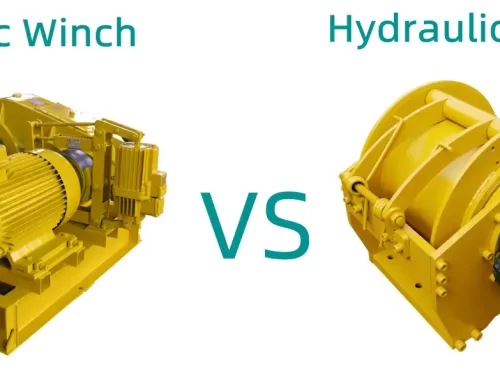
Whether you have purchased a Wire Rope Hoist or a large Hydraulic Winch, this guide provides the essential steps to ensure your equipment is set up for success.
1. Pre-Installation Inspection
Before mounting any equipment, perform a thorough “Out of Box” check:
-
Verify Model & Capacity: Ensure the nameplate matches your project requirements.
-
Check for Shipping Damage: Inspect the motor housing, drum, and limit switches for any cracks or dents.
-
Lubrication: Ensure the gearbox and wire rope are pre-lubricated according to the factory manual.
2. Mounting and Structural Support
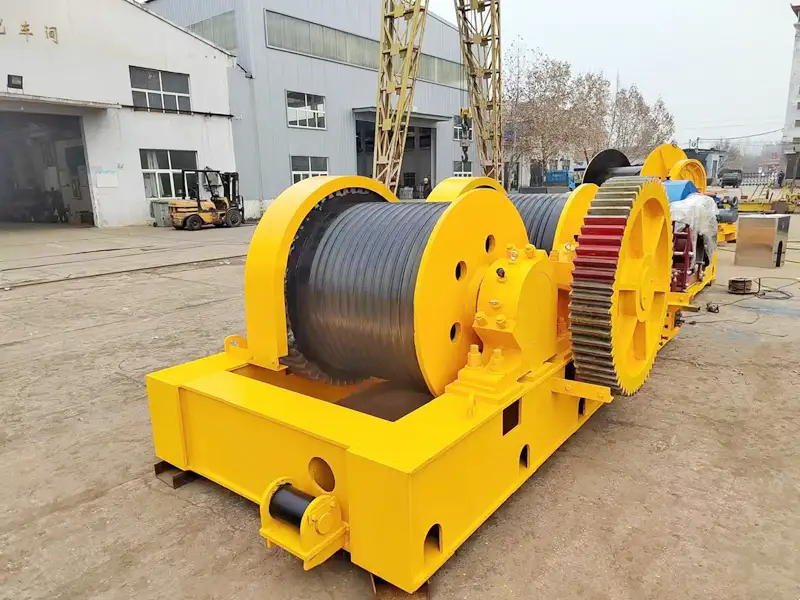
The foundation of your winch and hoist installation must be able to handle 125% of the rated load.
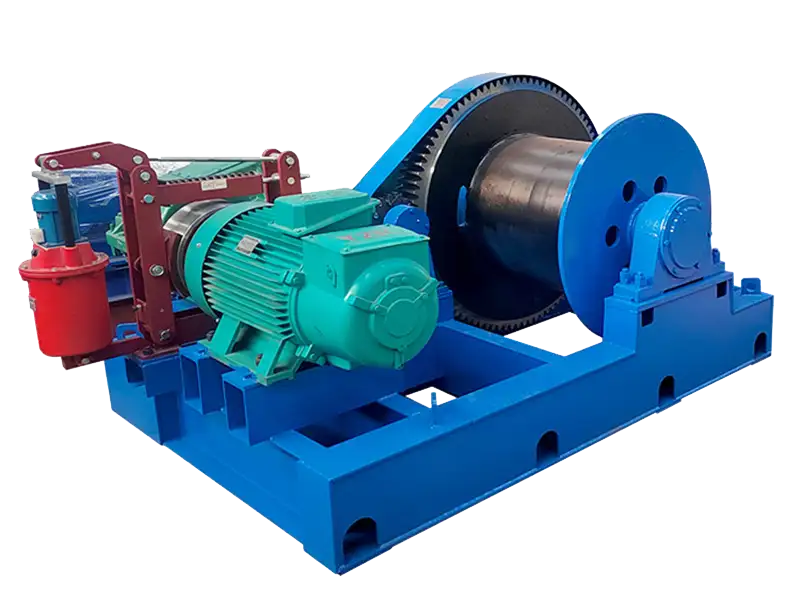
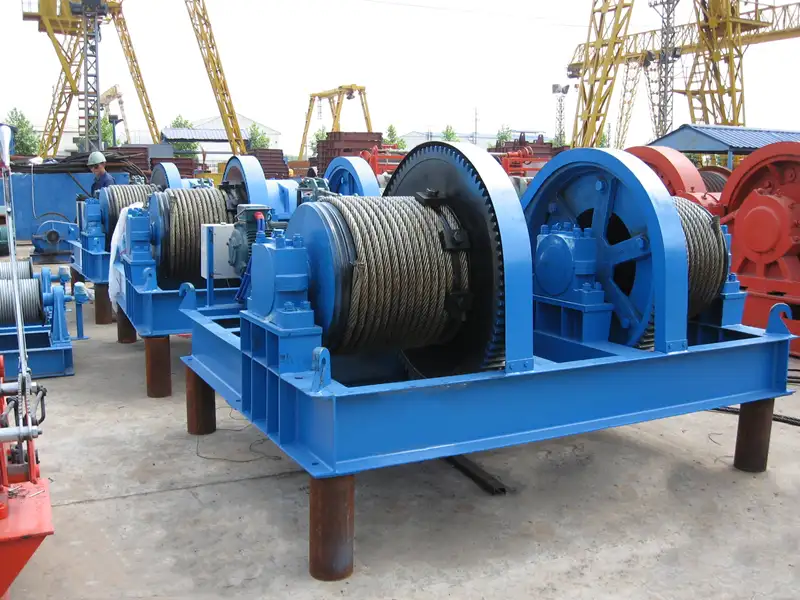
Mounting an Electric Winch (Floor/Ground)
-
Foundation: Use a concrete base or a heavy steel frame.
-
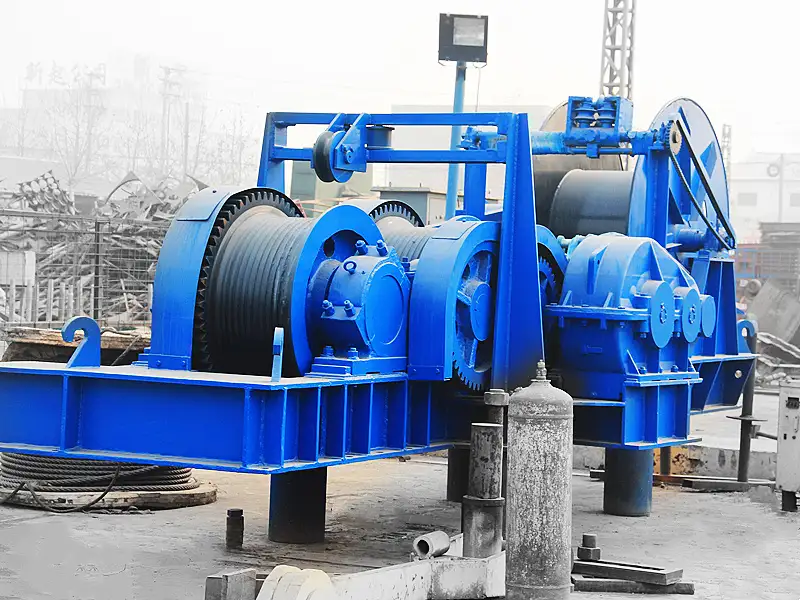
Alignment: The winch drum must be perfectly perpendicular to the direction of the pull to prevent “bird-nesting” of the wire rope.
-
Anchor Bolts: Use high-strength bolts (Grade 8.8 or higher) and torque them to the manufacturer’s specifications.
Installing an Electric Hoist (Overhead Beam)
-
Beam Selection: Ensure the I-beam or H-beam size matches the trolley width.
-
End Stops: Install physical stoppers at both ends of the beam to prevent the hoist from running off the rail.
-
Balance: Ensure the hoist is centered on the trolley to prevent uneven wheel wear.
3. Electrical Wiring and Power Supply
Electrical errors are the #1 cause of motor failure during the first use.
-
Voltage Check: Confirm your site power (e.g., 380V/440V) matches the motor nameplate.
-
Phase Sequence: For 3-phase motors, verify the rotation direction. If the “Up” button moves the hook “Down,” swap two of the input power lines.
-
Grounding: Always connect the ground wire to prevent electric shock in damp industrial environments.
4. Pre-Operational Testing (The 4-Step Check)
Never put a new winch and hoist installation into full service without these tests:
-
No-Load Test: Run the machine up and down (or forward and back) to check for unusual noises.
-
Limit Switch Test: Ensure the hoist stops automatically when it reaches the top or bottom.
-
Brake Test: Lift a small load and stop it mid-air to check for “slippage.”
-
Load Test: Gradually increase the load to the rated capacity and observe the structural supports.
5. Expanded Application: Specialized Installations
-
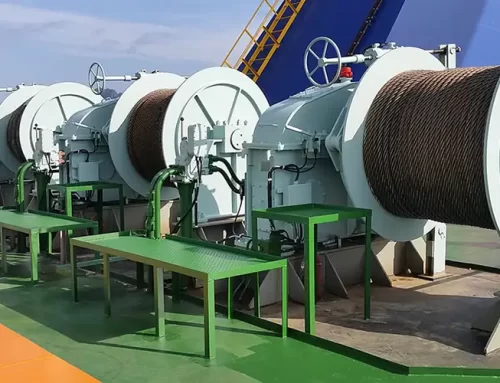
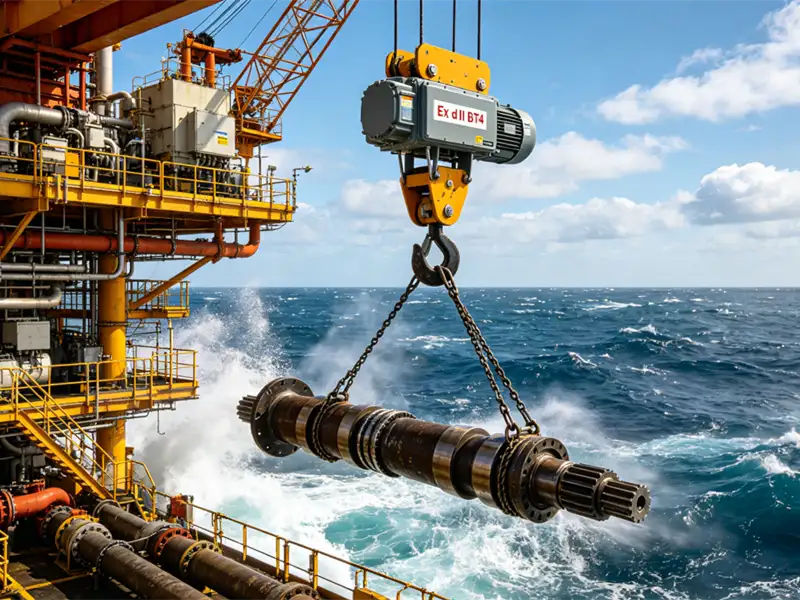
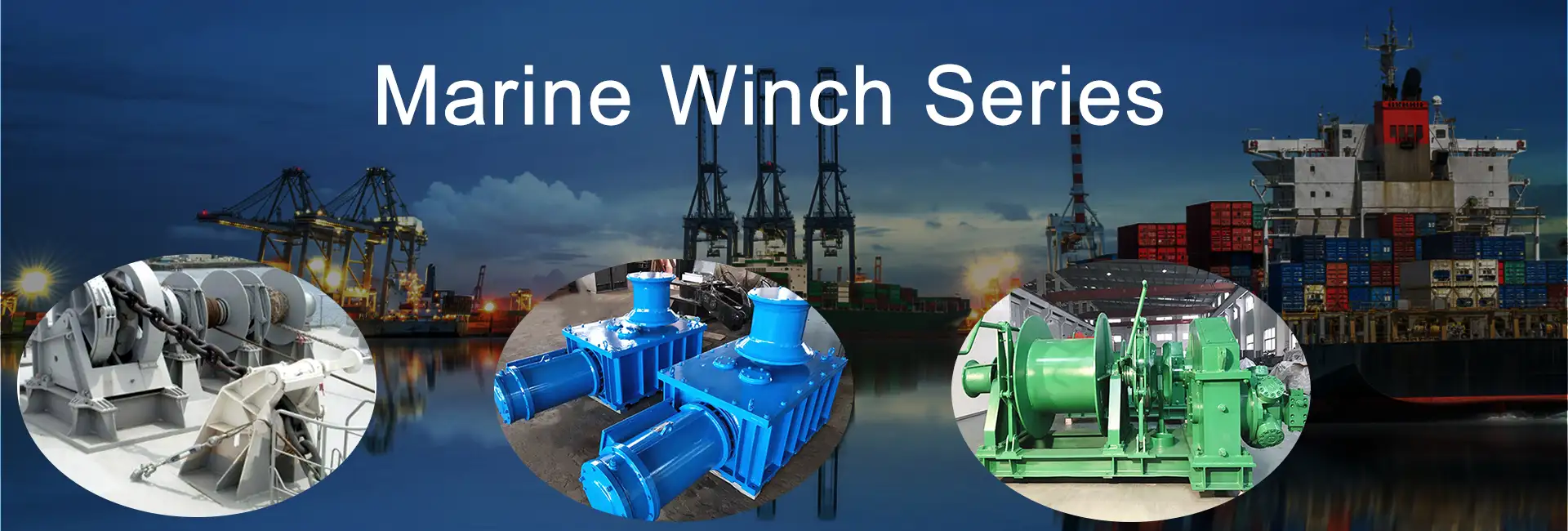
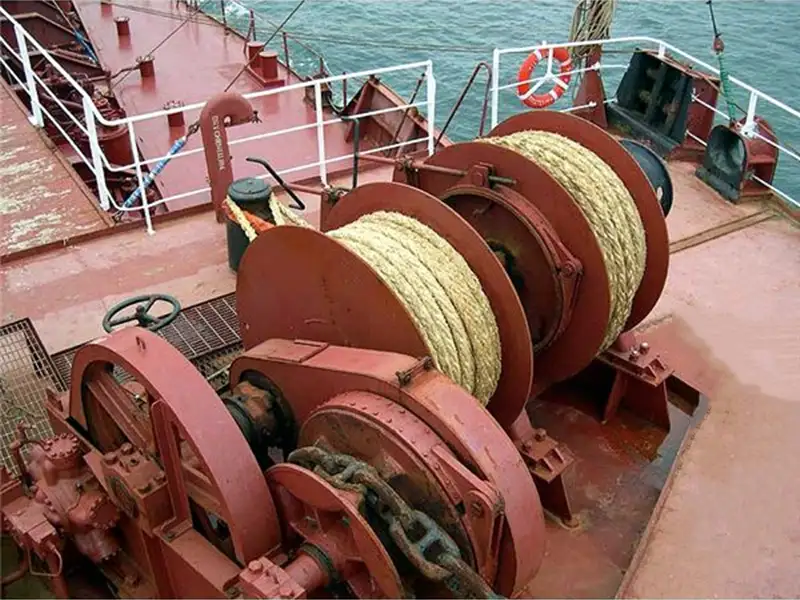
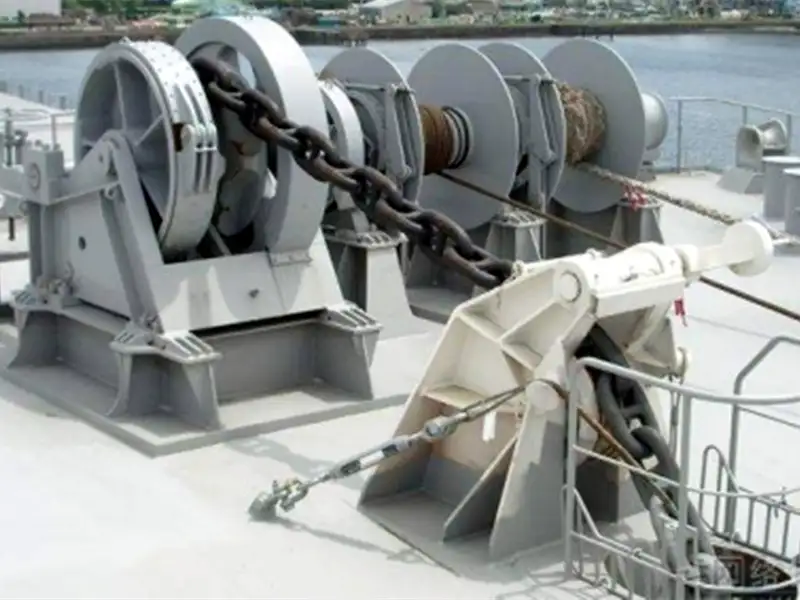
Marine Installations: Requires the use of stainless steel fasteners and extra waterproofing for the control box.
-
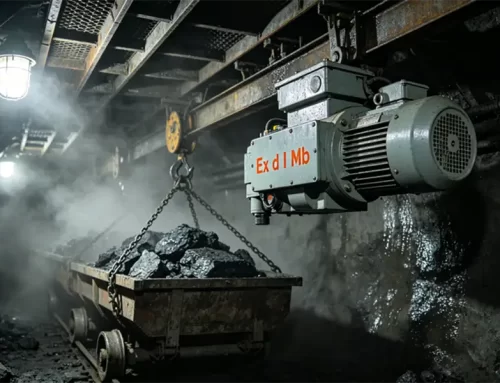
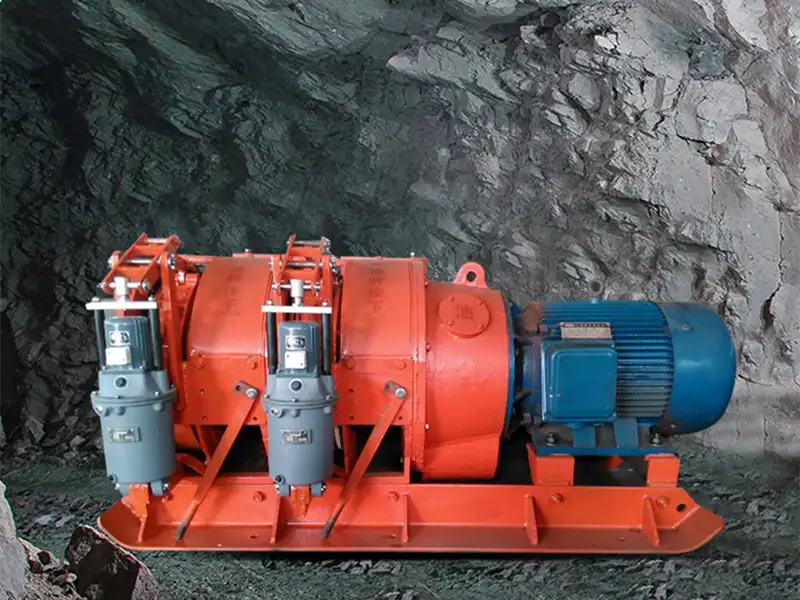
Mining Installations: Focuses on secure rock-bolting for floor-mounted winches to handle extreme horizontal tension.
Ready to Upgrade Your Pulling System?
With GT Winch Group’s expertise and premium winches, you’ll enjoy unmatched reliability and safety. From installation guidance to after-sales support, we’re here to ensure smooth pulling.
Need a Winch Tailored to YOUR Industry?
At GT Winch Group, we’ve built custom hydraulic and electric winches for:
- Ports lifting cargo containers
- Mines hauling ore carts
- Shipyards deploying anchors
Talk to Our Winch Experts!
📧 Email: info@gtwinch.com
📱 WhatsApp: +86 13353666378
🌐 Visit: www.gtwinch.com
As a professional Industrial & Marine Winch Supplier, GT Winch offers
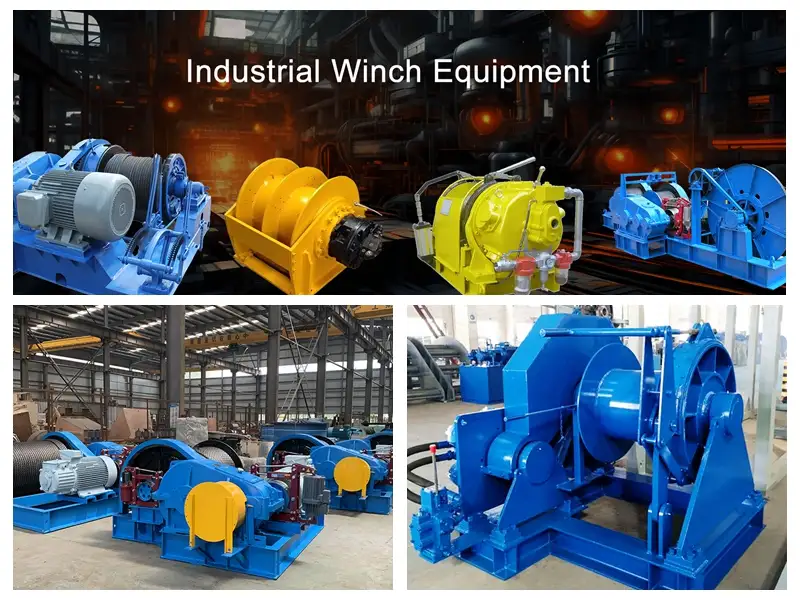
- Customizable Solutions – Available in various load capacities, speeds, and configurations to meet specific industrial requirements.
- High-Quality Manufacturing – Built with strict quality standards to ensure durability, reliability, and long service life.
- Low Maintenance Requirements – Engineered for minimal maintenance, reducing downtime and operational costs.
- General winches,marine winches,construction winches.etc available.Welcome to send a free inquiry.
OEM Supported
Email: info@gtwinch.com
-
Type of Winch-General Winch, Marine Winch, Mine Winch, or Other Type
-
Load Capacity-What is the maximum load (in tons or kilograms) the winch needs to handle?
-
Rope / Cable Type-What type of rope or cable will be used? (e.g., steel, synthetic)
-
Power Source-What type of power is required? (e.g., electric, hydraulic, pneumatic, manual)
FAQ: Winch and Hoist Installation
Q1: Can I install a 5-ton hoist myself?
While a skilled mechanic can perform the physical mounting, we highly recommend a certified electrician for the wiring and a qualified safety officer to sign off on the load test.
Q2: What happens if the winch is not aligned with the load?
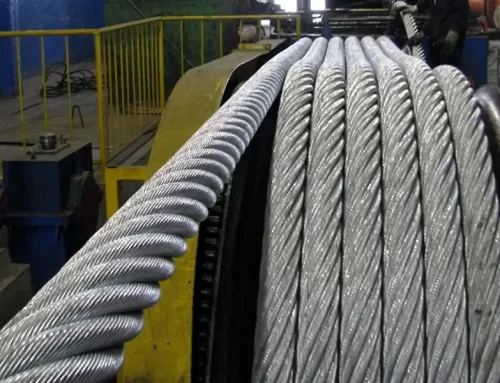
Misalignment causes the wire rope to pile up on one side of the drum. This can damage the rope guide and significantly reduce the lifespan of the wire rope.
Q3: Do I need a special beam for a low headroom hoist?
Low Headroom Hoists often require wider beam flanges due to their offset design. Always check the trolley specifications before installation.
Q4: How often should I re-torque the mounting bolts?
We recommend checking the tightness of all anchor and mounting bolts 30 days after the initial winch and hoist installation, and then every 6 months thereafter.
Q5: Does GT Winch provide installation services?
We provide comprehensive manuals and 24/7 video technical support. For large-scale projects, we can deploy a technician to your site for supervision and commissioning.