Winch Wire Rope Selection: The Ultimate Engineer’s Guide
Selecting the right cable for your electric winch is just as important as the winch itself. The wire rope is the only link between your machine and the load. If it is too thin, it may snap; if it is too thick, it won’t fit the drum correctly.
At GT Winch, we believe that safety starts with the right specifications. This guide will walk you through the technical factors of winch wire rope selection to help you maximize the lifespan of your equipment.
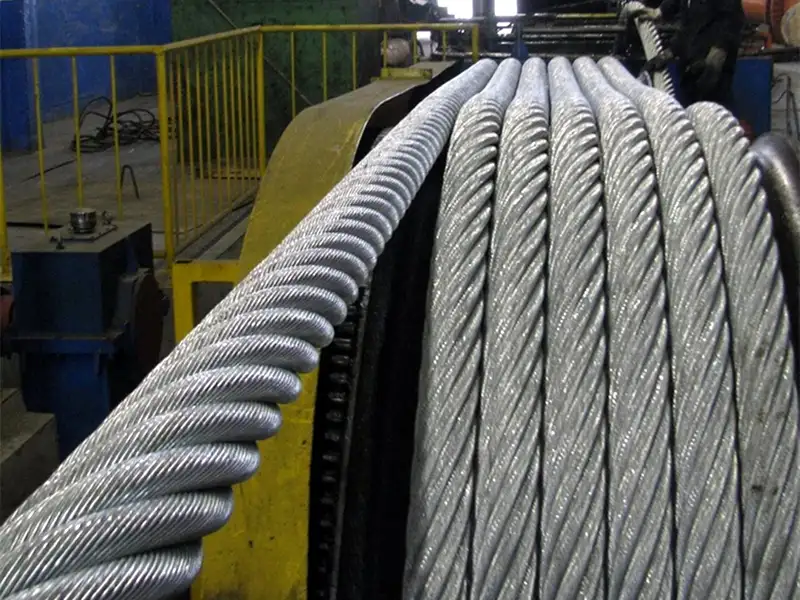
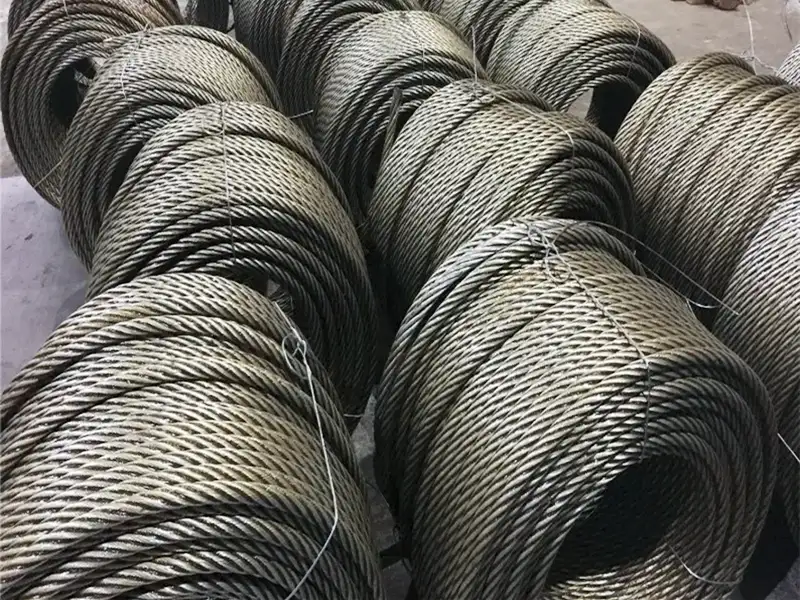
1. Understanding Wire Rope Diameter and Capacity
The diameter of the rope is directly tied to the rated pull of your winch. In the industrial world, we use a Safety Factor (usually 3:1 or 5:1) to ensure the rope can handle unexpected stress.
-
For Pulling: A 3:1 safety factor is common.
-
For Lifting: A 5:1 safety factor is the industry standard.
Formula Tip: If your winch pulls 10 tons, your wire rope should have a minimum breaking strength of 50 tons for lifting applications.
2. Different Types of Wire Rope Construction
Not all steel cables are created equal. The “lay” and the number of wires change how the rope behaves:
-
6×19 Structure: This is the most common “all-purpose” rope. It offers a great balance between flexibility and resistance to wear.
-
6×37 Structure: More flexible than 6×19, making it ideal for smaller drums and frequent bending.
-
Non-Rotating Rope: Essential for electric wire rope hoists and deep-well winches to prevent the load from spinning during lifting.
3. Material Selection: Galvanized vs. Stainless Steel
The environment of your project dictates the material:
-
Galvanized Steel: The standard for most Industrial Electric Winches. It has a zinc coating that prevents rusting in normal outdoor conditions.
-
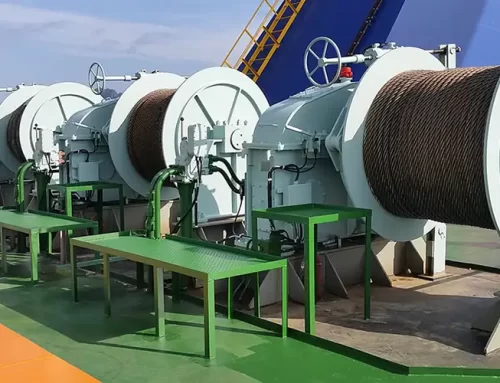
Stainless Steel (304/316): Necessary for Marine Electric Winches. It is more expensive but can survive constant saltwater exposure.
4. Expanded Applications: Where Rope Choice Matters Most
Proper winch wire rope selection isn’t just for general industry; it’s critical in specialized fields:
-
High-Rise Construction: Requires specialized “anti-twist” ropes to ensure crane hooks don’t spin.
-
Forestry and Logging: Needs ropes with a “steel core” (IWRC) rather than a fiber core to withstand the crushing force of heavy logs.
-
Emergency Recovery: Often utilizes synthetic ropes which are lighter and safer if they snap, though they require specific drum designs.
Technical Reference Table: Common Rope Sizes
| Winch Capacity | Recommended Rope Dia. | Construction Type |
|---|---|---|
| 1 Ton | 7.7mm – 8mm | 6×19 |
| 5 Tons | 12mm – 14mm | 6×37 |
| 10 Tons | 16mm – 18mm | 6×37 + IWRC |
| 20 Tons+ | 22mm – 28mm | Specialized |
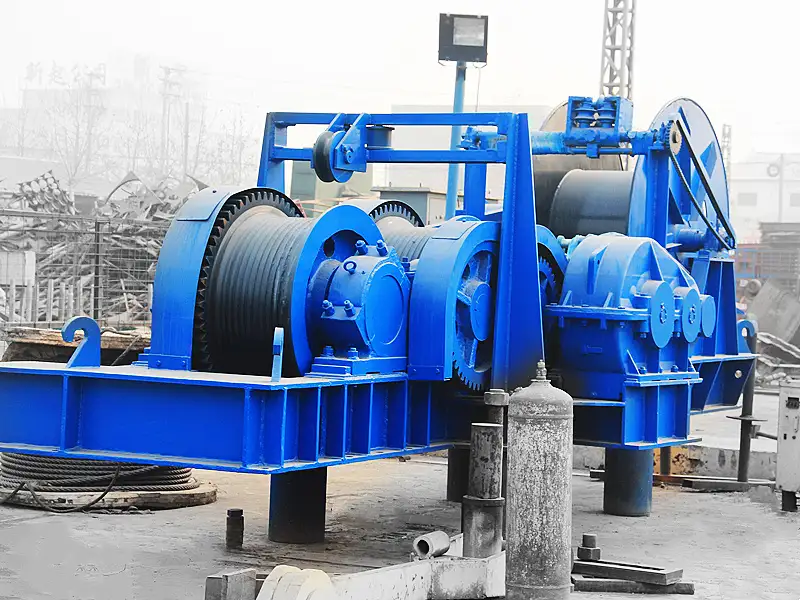
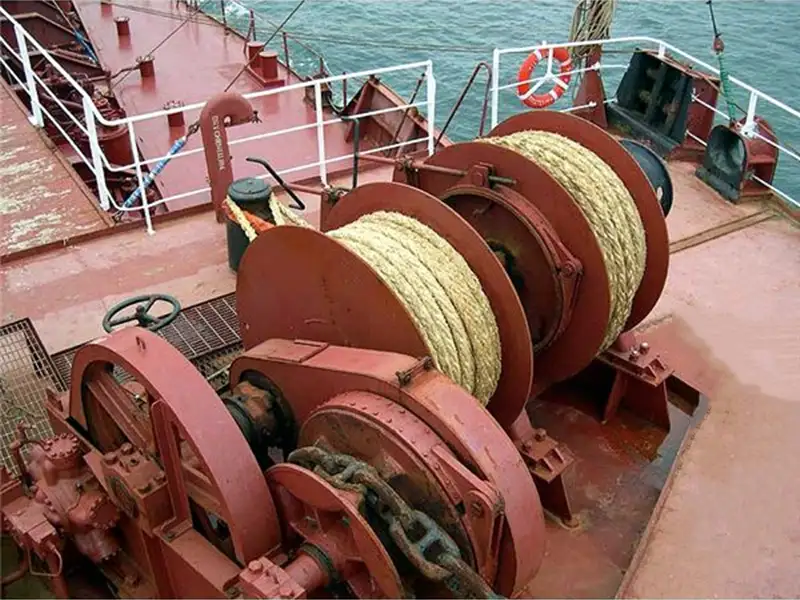
Ready to Upgrade Your Pulling System?
With GT Winch Group’s expertise and premium winches, you’ll enjoy unmatched reliability and safety. From installation guidance to after-sales support, we’re here to ensure smooth pulling.
Need a Winch Tailored to YOUR Industry?
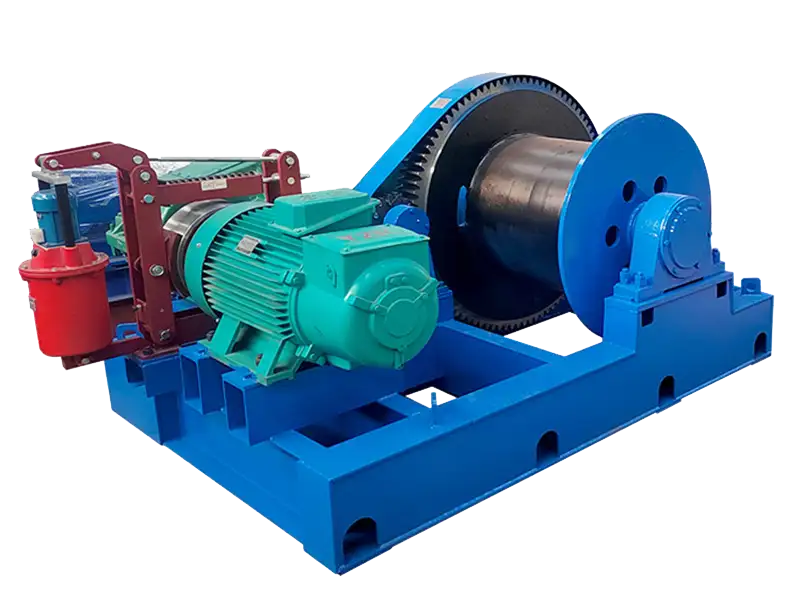
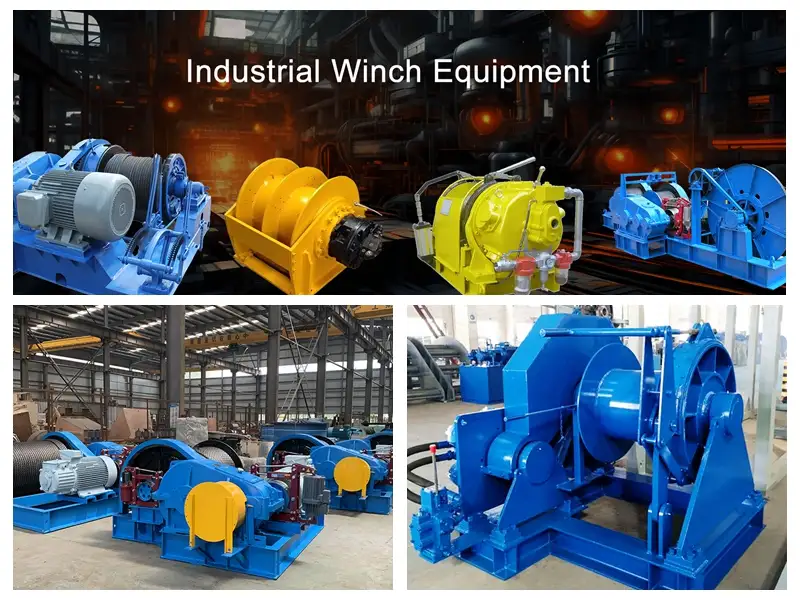
At GT Winch Group, we’ve built custom hydraulic and electric winches for:
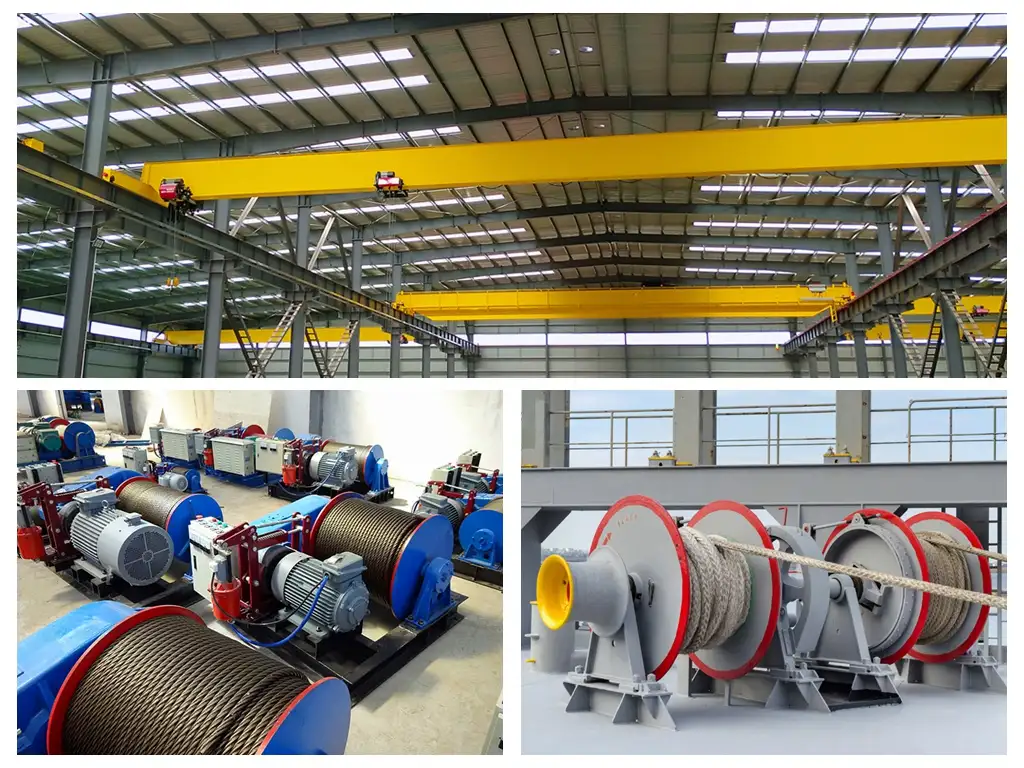
- Ports lifting cargo containers
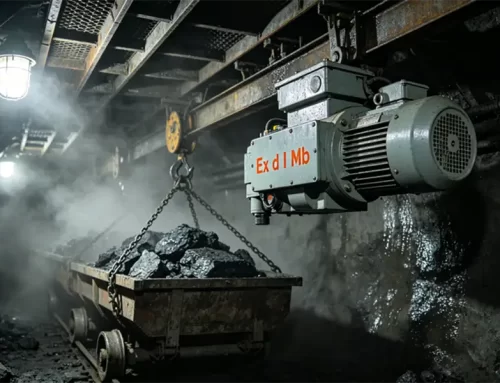
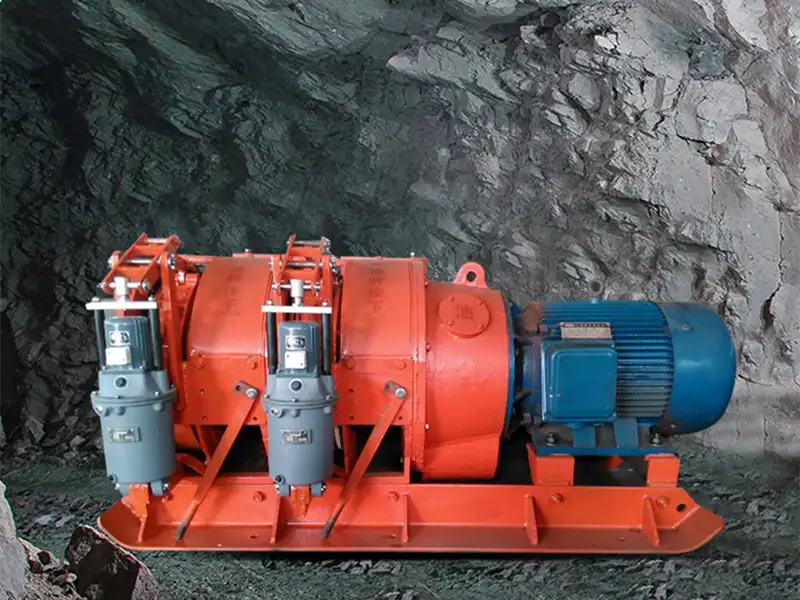
- Mines hauling ore carts
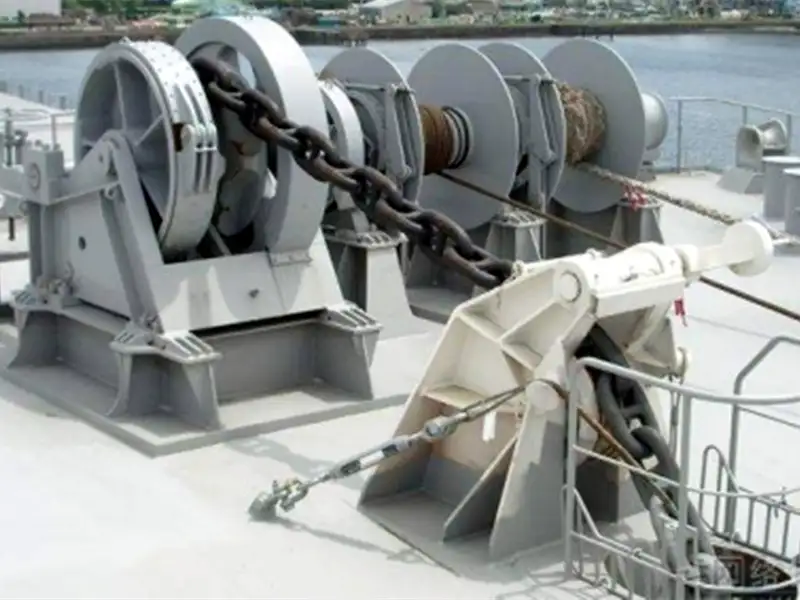
- Shipyards deploying anchors
Talk to Our Winch Experts!
📧 Email: info@gtwinch.com
📱 WhatsApp: +86 13353666378
🌐 Visit: www.gtwinch.com
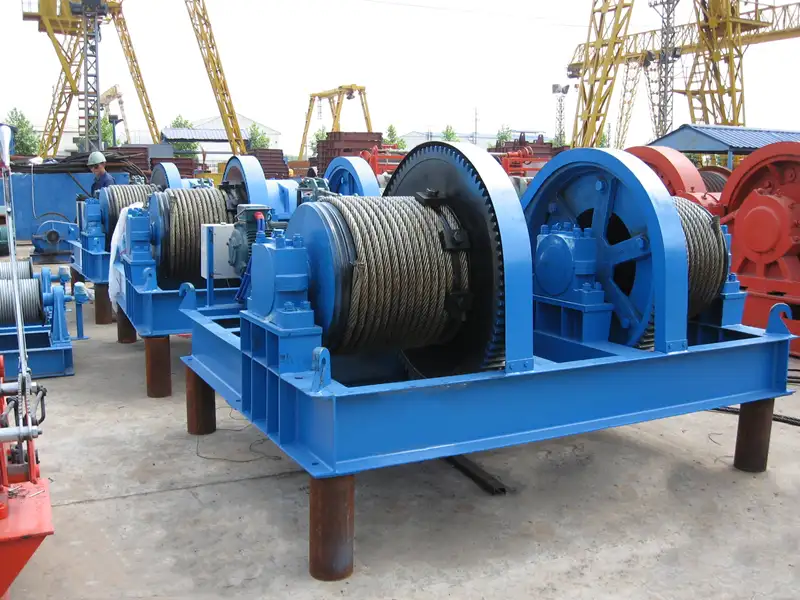
As a professional Industrial & Marine Winch Supplier, GT Winch offers
- Customizable Solutions – Available in various load capacities, speeds, and configurations to meet specific industrial requirements.
- High-Quality Manufacturing – Built with strict quality standards to ensure durability, reliability, and long service life.
- Low Maintenance Requirements – Engineered for minimal maintenance, reducing downtime and operational costs.
- General winches,marine winches,construction winches.etc available.Welcome to send a free inquiry.
OEM Supported
Email: info@gtwinch.com
-
Type of Winch-General Winch, Marine Winch, Mine Winch, or Other Type
-
Load Capacity-What is the maximum load (in tons or kilograms) the winch needs to handle?
-
Rope / Cable Type-What type of rope or cable will be used? (e.g., steel, synthetic)
-
Power Source-What type of power is required? (e.g., electric, hydraulic, pneumatic, manual)
FAQ: Winch Wire Rope Selection
Q1: How do I know when to replace my winch wire rope?
You must replace it immediately if you see “kinking,” significant rust, or if more than 10% of the individual wires in a strand are broken. Safety should always come first.
Q2: What is an IWRC core?
IWRC stands for “Independent Wire Rope Core.” It means the center of the rope is also made of steel, which provides more strength and better resistance to heat and crushing compared to a fiber core.
Q3: Can I put a longer rope on my winch drum than the factory standard?
Only if the drum has enough “flange height.” There must be a gap (usually 2 times the rope diameter) between the top layer of the rope and the edge of the drum for safety.
Q4: Does the rope diameter affect the pulling speed?
Indirectly, yes. A thicker rope means fewer wraps fit on the drum, and as the drum fills up (increasing the effective diameter), the pulling speed increases but the pulling power decreases slightly.
Q5: Do you provide the wire rope with the winch?
Yes, GT Winch provides high-quality, pre-installed wire rope based on your specific requirements, but we can also sell the winch unit separately if you have your own cable.