Winch vs. Hoist – Which One Do You Need?
Many people use the terms “winch” and “hoist” interchangeably, but using the wrong one can be a costly—and dangerous—mistake. While both machines move loads using wire rope or chain, they are engineered for different physics and safety standards.
At GT Winch, we want to ensure you get the right tool for the job. In this guide, we will break down the essential differences between a winch and a hoist.
1. Purpose: Vertical Lifting vs. Horizontal Pulling
The most fundamental difference lies in the direction of the load:
-
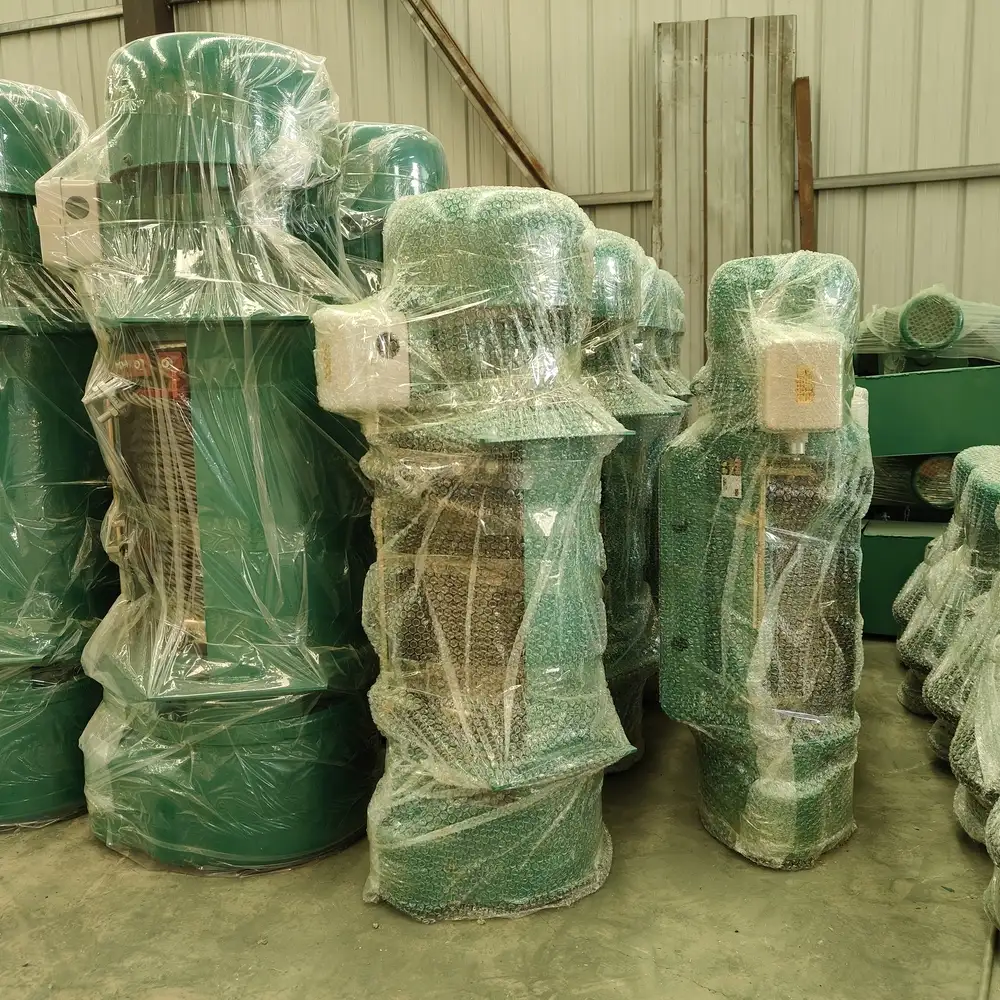
Hoist: Specifically designed for vertical lifting. It is engineered to hold a load indefinitely in the air.
-
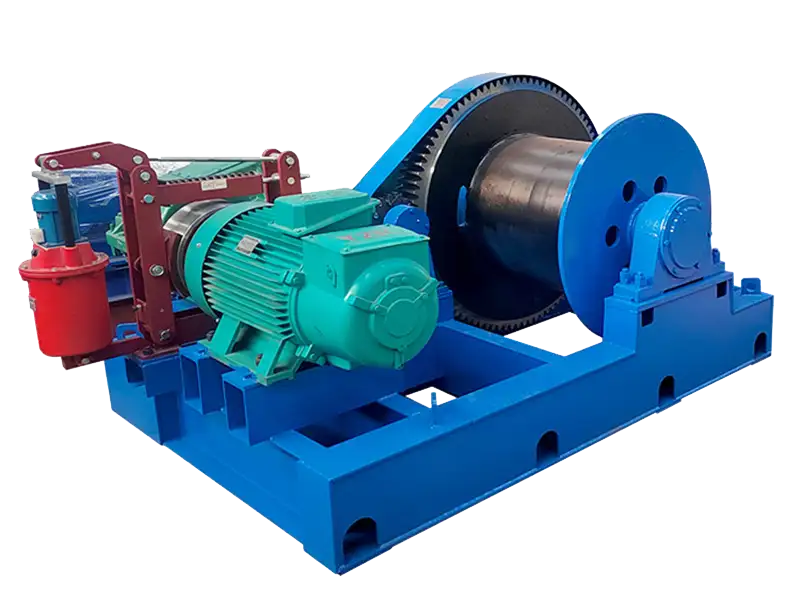
Winch: Primarily designed for horizontal pulling or dragging loads over an incline.
2. The Braking System (The Most Important Safety Factor)
This is where the engineering differs significantly:
-
Hoists utilize a mechanical braking system designed to lock and hold the load’s weight securely. It is a “fail-safe” for overhead suspension.
-
Standard Winches often use dynamic brakes (using the motor’s resistance), which are not meant to hold a suspended load for long periods.
Note: Some of our industrial electric winches can be customized with double brakes for lifting, but a standard winch should never be used as a hoist.
3. Safety Standards and Design Factors
Because hoists lift loads over people’s heads, they must meet stricter safety regulations (such as ASME or CE lifting standards).
-
Hoists have a higher design factor (usually 5:1).
-
Winches are built for rugged pulling and may have a lower design factor (usually 3:1 or 4:1).
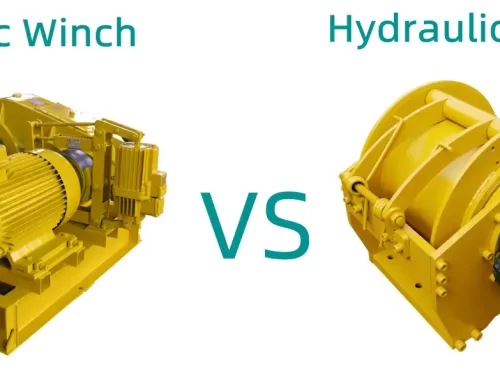
| Feature | Industrial Winch | Electric Hoist |
| Primary Motion | Pulling / Dragging | Lifting / Lowering |
| Brake Type | Dynamic or Mechanical | Mechanical Fail-safe |
| Mounting | Floor / Ground mounted | Overhead / Beam mounted |
| Wire Rope | Longer capacity (500m+) | Shorter, precise travel |
Ready to Upgrade Your Pulling System?
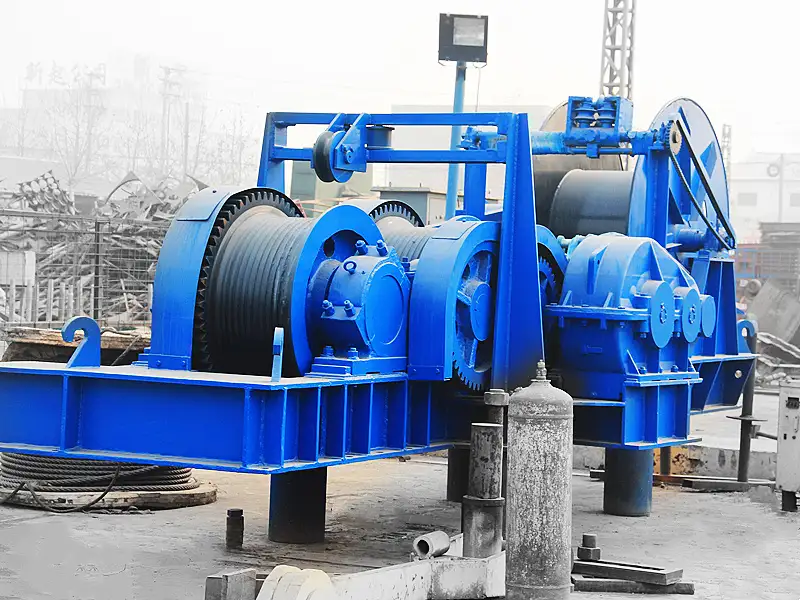
With GT Winch Group’s expertise and premium winches, you’ll enjoy unmatched reliability and safety. From installation guidance to after-sales support, we’re here to ensure smooth pulling.
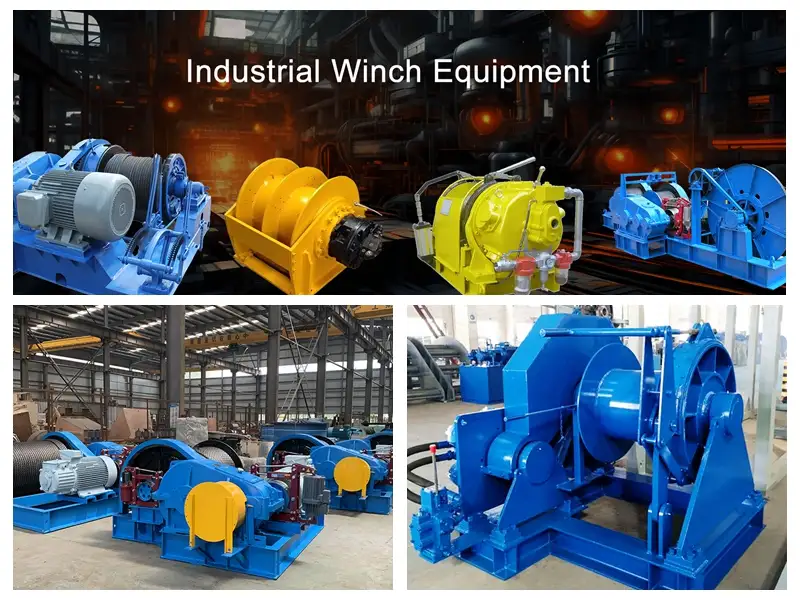
Need a Winch Tailored to YOUR Industry?
At GT Winch Group, we’ve built custom hydraulic and electric winches for:
- Ports lifting cargo containers
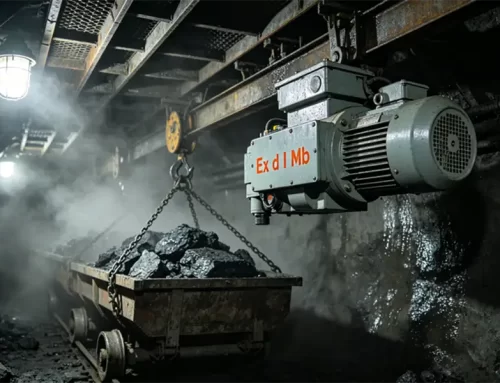
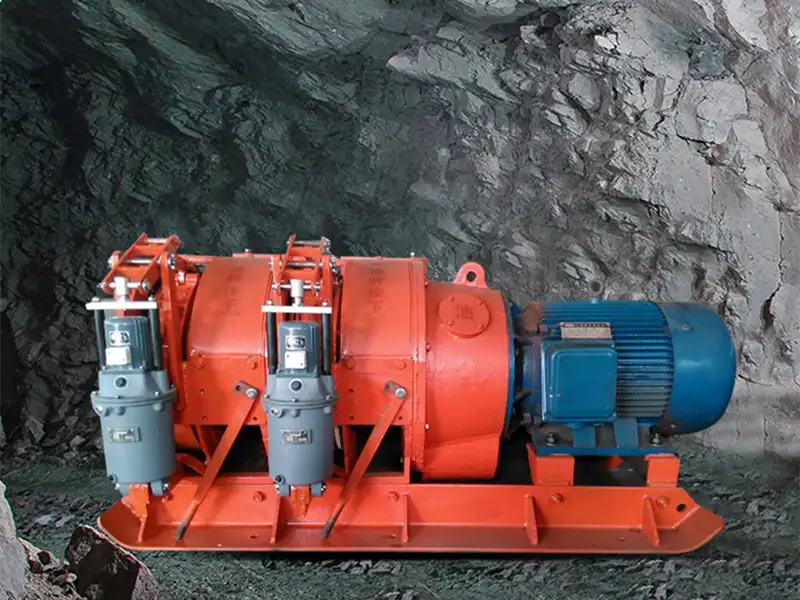
- Mines hauling ore carts
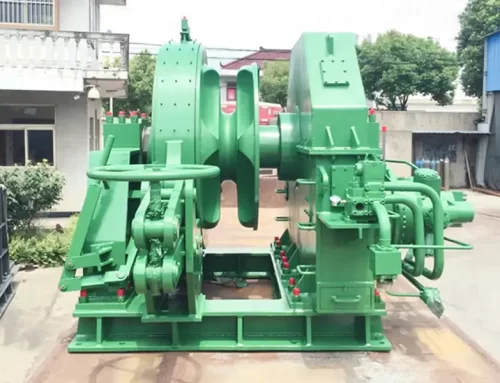
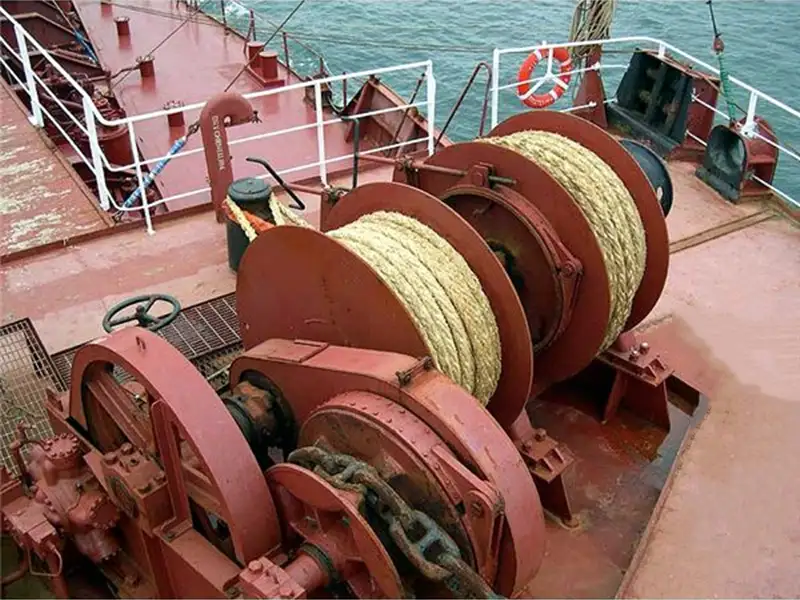
- Shipyards deploying anchors
Talk to Our Winch Experts!
📧 Email: info@gtwinch.com
📱 WhatsApp: +86 13353666378
🌐 Visit: www.gtwinch.com
As a professional Industrial & Marine Winch Supplier, GT Winch offers
- Customizable Solutions – Available in various load capacities, speeds, and configurations to meet specific industrial requirements.
- High-Quality Manufacturing – Built with strict quality standards to ensure durability, reliability, and long service life.
- Low Maintenance Requirements – Engineered for minimal maintenance, reducing downtime and operational costs.
- General winches,marine winches,construction winches.etc available.Welcome to send a free inquiry.
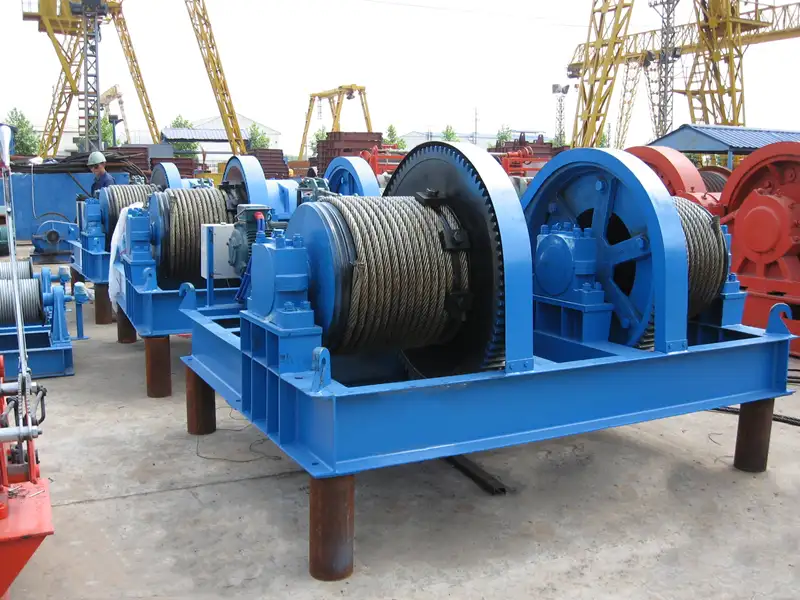
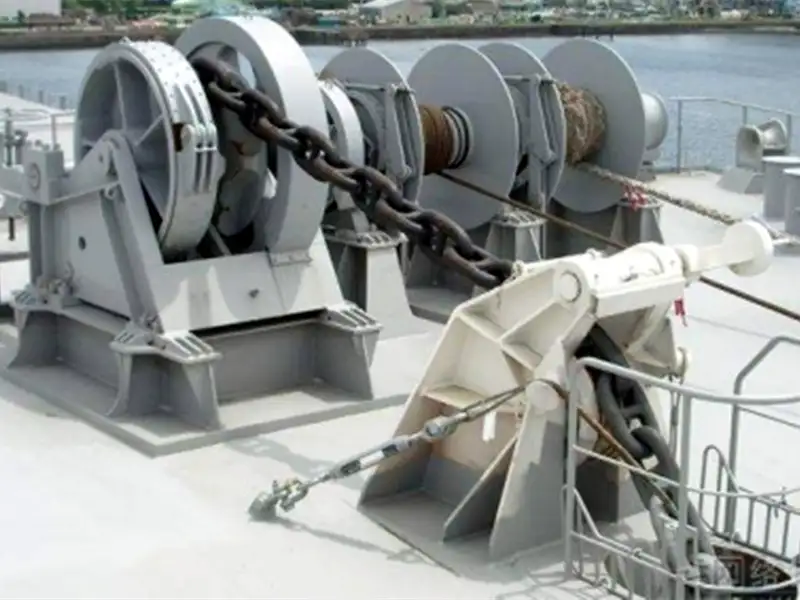
OEM Supported
Email: info@gtwinch.com
-
Type of Winch-General Winch, Marine Winch, Mine Winch, or Other Type
-
Load Capacity-What is the maximum load (in tons or kilograms) the winch needs to handle?
-
Rope / Cable Type-What type of rope or cable will be used? (e.g., steel, synthetic)
-
Power Source-What type of power is required? (e.g., electric, hydraulic, pneumatic, manual)
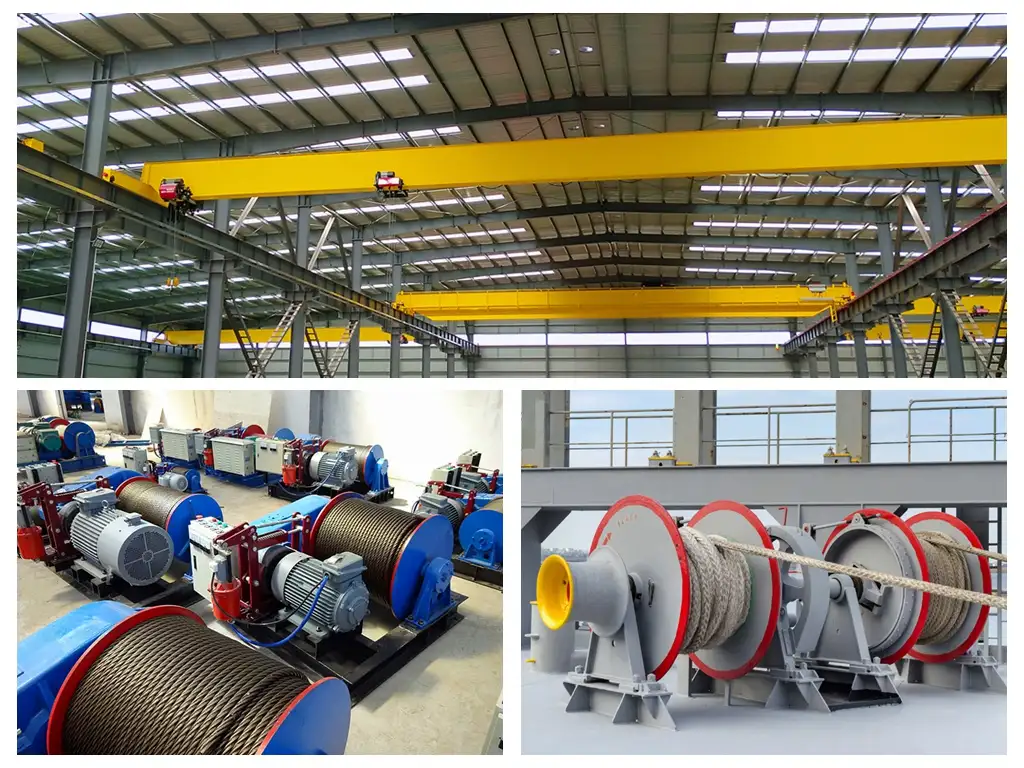
FAQ: Choosing Between Winch and Hoist
Q1: Can I use a winch to lift a small engine?
If the winch is not specifically rated for “overhead lifting,” you should not. The brake could slip, causing the load to drop. Use a Chain Hoist for engine lifting instead.
Q2: Why are winches usually cheaper than hoists of the same capacity?
Because hoists require more complex braking systems and stricter safety certifications to qualify for overhead lifting.
Q3: Does GT Winch provide customized solutions for both?
Absolutely. We can customize motor voltage, rope length, and control systems for both winches and hoists to fit your site’s needs.