Hydraulic vs. Electric Winch: Choosing the Right Power Source
When planning a heavy-duty project, one of the first technical decisions you will face is whether to use a hydraulic winch or an electric winch. Both have the power to move massive loads, but they operate on very different principles.
At GT Winch, we manufacture both systems. In this article, we will compare hydraulic vs electric winch performance to help you decide which one fits your specific operational environment.
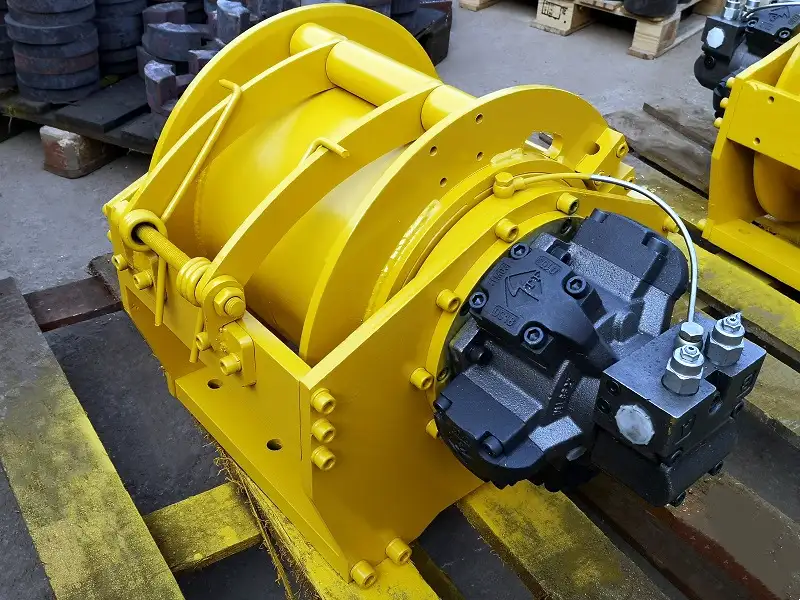
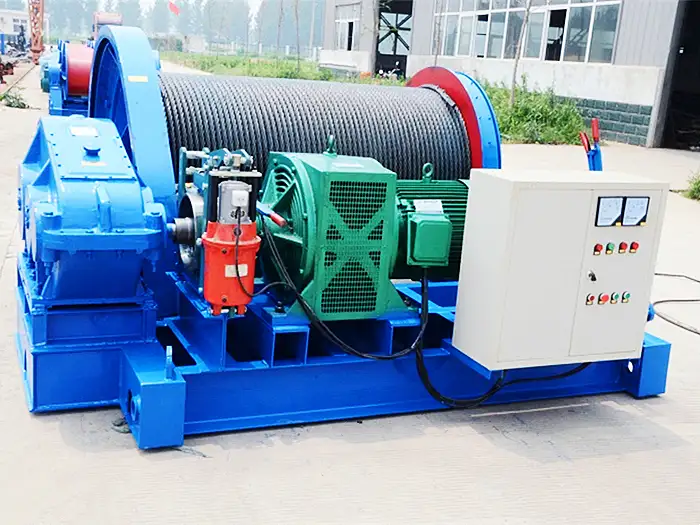
1. Hydraulic Winches: The Heavy-Duty Powerhouse
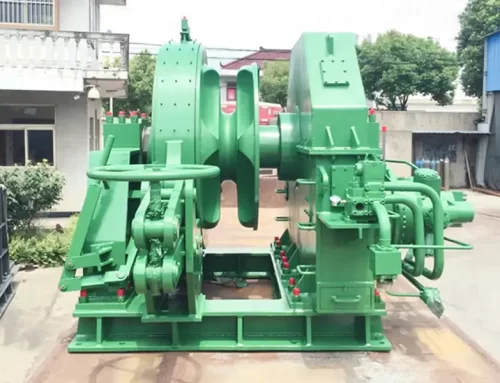
A hydraulic winch relies on a vehicle or a central power pack’s hydraulic system. It is the “marathon runner” of winches.
-
Pros:
-
100% Duty Cycle: It can run all day and night without overheating, as long as the hydraulic fluid is cooled.
-
Extreme Power: Ideal for massive loads (up to 200+ tons).
-
Durability: Can work while fully submerged or in explosive environments more easily.
-
-
Cons:
-
Complex Installation: Requires pumps, hoses, and fluid reservoirs.
-
Higher Initial Cost: Generally more expensive to set up than electric systems.
-
2. Electric Winches: The Versatile and Efficient Choice
An electric winch is powered directly by an AC or DC power source. It is the most common choice for general industrial use.
-
Pros:
-
Plug-and-Play: Easy to install and move between different sites.
-
Cost-Effective: Lower upfront cost for small to medium lifting tasks.
-
Clean Operation: No risk of oil leaks, making it better for food-grade or clean-room environments.
-
-
Cons:
-
Duty Cycle Limits: Electric motors generate heat and may need “rest periods” during intense use.
-
Power Dependency: Requires a stable electrical grid or a large generator.
-
3. Industry Applications: Which One Wins?
The choice between hydraulic vs electric winch often comes down to where the machine will be working:
-
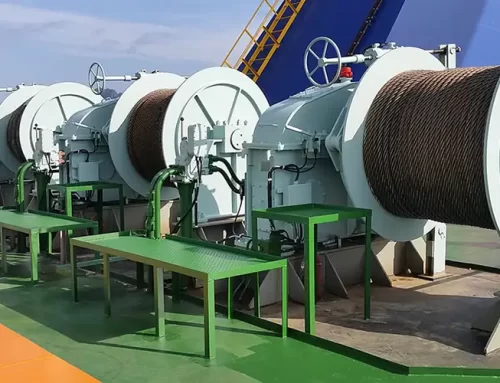
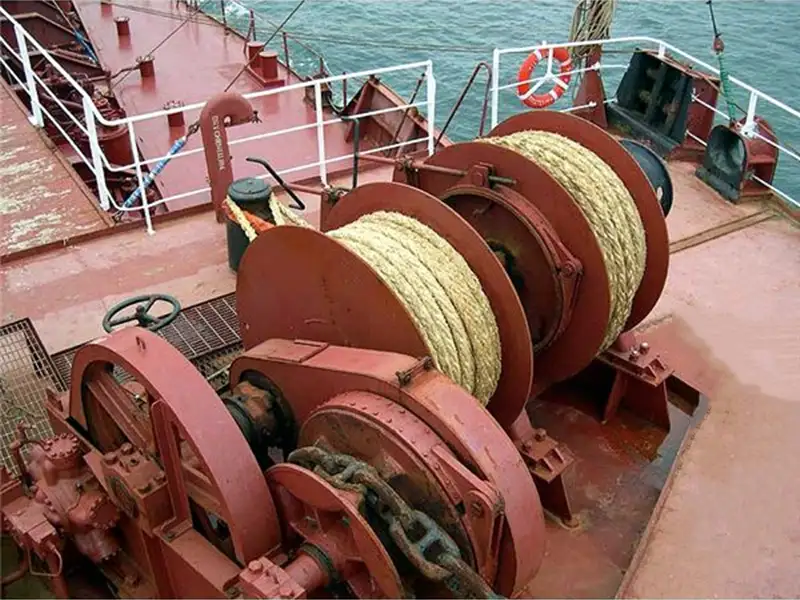
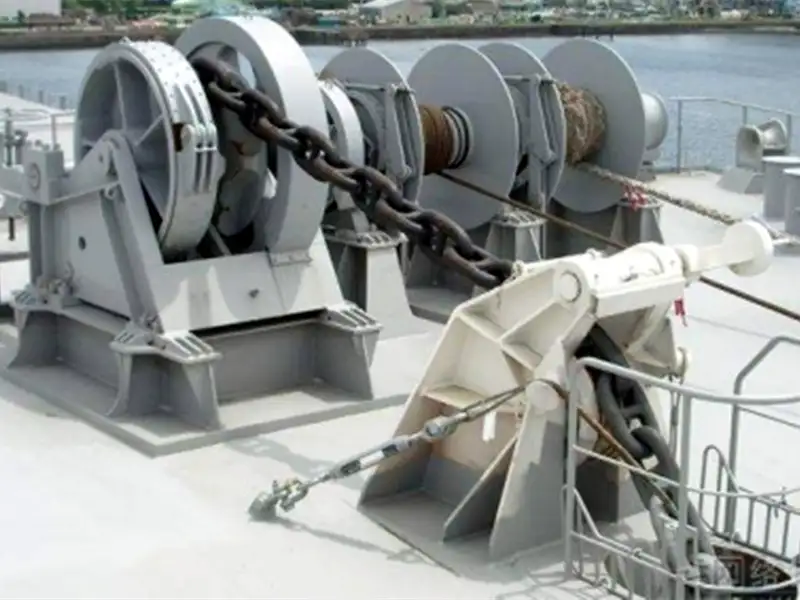
Marine & Towing: Usually Hydraulic. Ships already have hydraulic systems, and these winches handle the constant tension of waves much better.
-
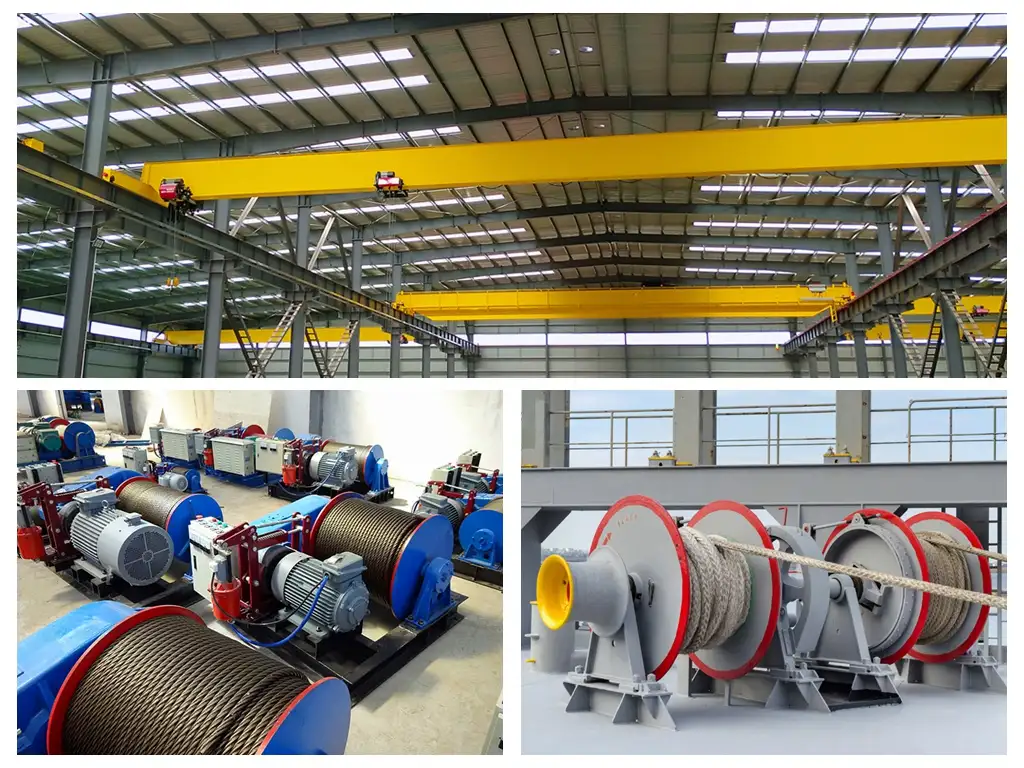
Factory & Warehouse: Usually Electric. It is easier to plug a Wire Rope Hoist or winch into the building’s 3-phase power.
-
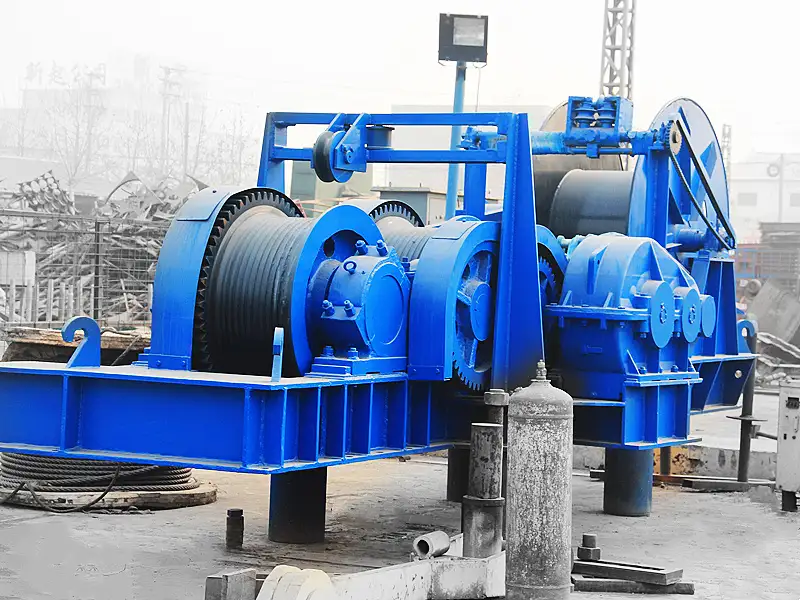
Heavy Construction: Hydraulic is preferred for continuous, heavy-duty pulling of large bridge segments or tunnel Boring Machines (TBM).
Comparison Summary Table
| Feature | Electric Winch | Hydraulic Winch |
| Duty Cycle | Intermittent (S3/S4) | Continuous (100%) |
| Power Source | Electricity (AC/DC) | Hydraulic Fluid/Pump |
| Installation | Simple & Fast | Complex (Hoses/Pumps) |
| Maintenance | Low (Motor/Brakes) | Moderate (Fluid/Seals) |
| Best For | Factories & Small Construction | Marine & Heavy Industry |
Ready to Upgrade Your Pulling System?
With GT Winch Group’s expertise and premium winches, you’ll enjoy unmatched reliability and safety. From installation guidance to after-sales support, we’re here to ensure smooth pulling.
Need a Winch Tailored to YOUR Industry?
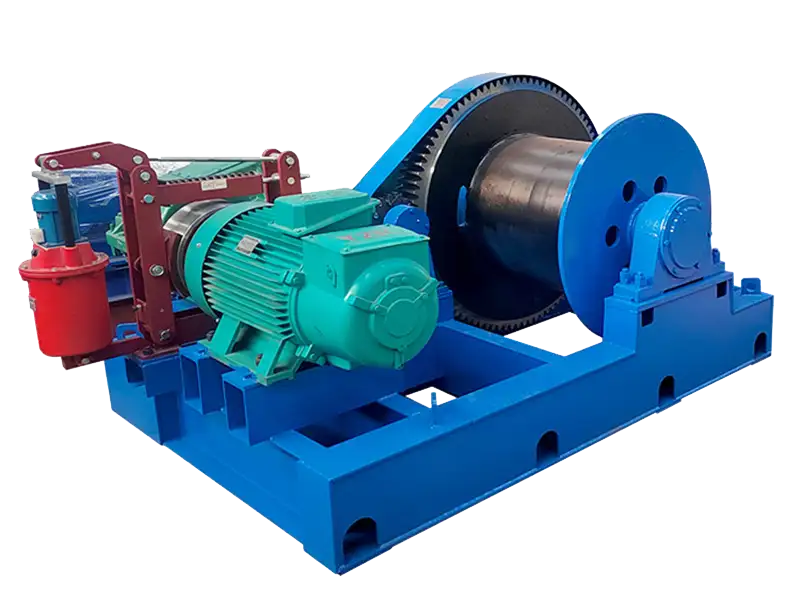
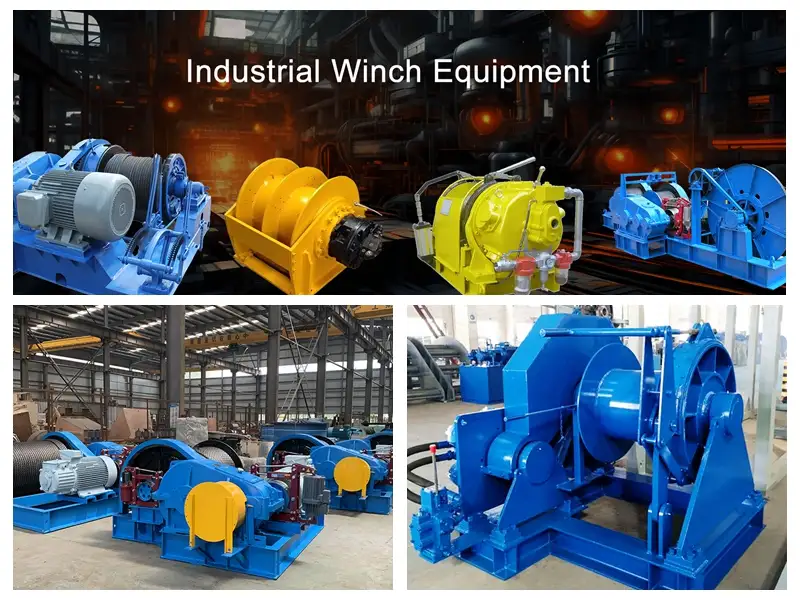
At GT Winch Group, we’ve built custom hydraulic and electric winches for:
- Ports lifting cargo containers
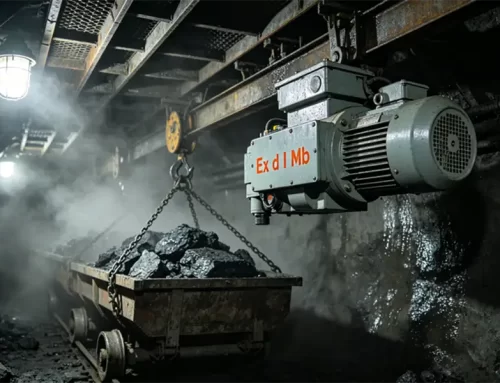
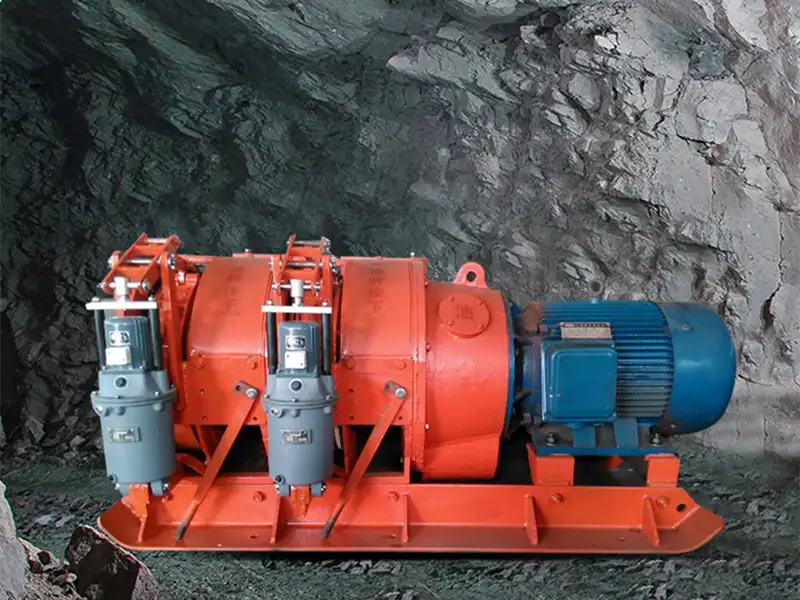
- Mines hauling ore carts
- Shipyards deploying anchors
Talk to Our Winch Experts!
📧 Email: info@gtwinch.com
📱 WhatsApp: +86 13353666378
🌐 Visit: www.gtwinch.com
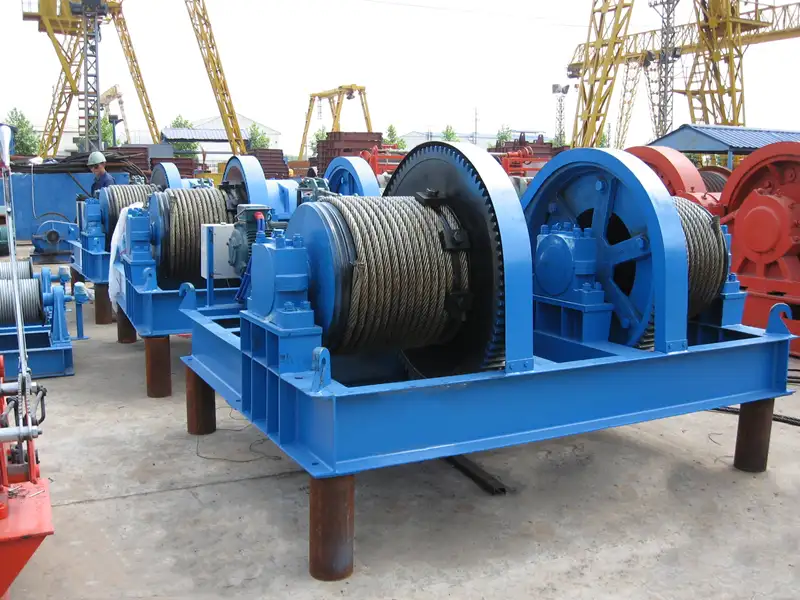
As a professional Industrial & Marine Winch Supplier, GT Winch offers
- Customizable Solutions – Available in various load capacities, speeds, and configurations to meet specific industrial requirements.
- High-Quality Manufacturing – Built with strict quality standards to ensure durability, reliability, and long service life.
- Low Maintenance Requirements – Engineered for minimal maintenance, reducing downtime and operational costs.
- General winches,marine winches,construction winches.etc available.Welcome to send a free inquiry.
OEM Supported
Email: info@gtwinch.com
-
Type of Winch-General Winch, Marine Winch, Mine Winch, or Other Type
-
Load Capacity-What is the maximum load (in tons or kilograms) the winch needs to handle?
-
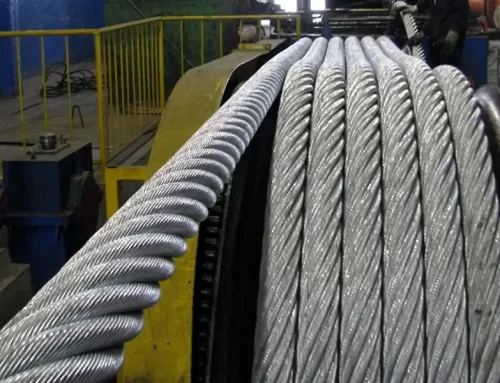
Rope / Cable Type-What type of rope or cable will be used? (e.g., steel, synthetic)
-
Power Source-What type of power is required? (e.g., electric, hydraulic, pneumatic, manual)
Hydraulic vs. Electric Winch
Q1: Which is stronger, a hydraulic or an electric winch?
In terms of raw potential, hydraulic winches can be built much larger and stronger for ultra-heavy-duty tasks, but both types can be engineered for standard 5-ton to 50-ton loads.
Q2: Are hydraulic winches faster than electric ones?
Hydraulic winches offer more consistent speed under heavy load, whereas electric winches might slow down as they reach their maximum capacity.
Q3: Can an electric winch be modified for 100% duty cycle?
By using high-end VFDs (Variable Frequency Drives) and specialized cooling fans, we can significantly increase the duty cycle of an electric winch, though hydraulic is still superior for constant use.
Q4: Is maintenance more expensive for hydraulic winches?
Yes, generally. You need to monitor fluid levels, change filters, and check for hose leaks, whereas electric winches mostly require motor and gear inspections.
Q5: Can I use a hydraulic winch if I don’t have a pump?
Yes, GT Winch can provide a standalone Electric Hydraulic Power Pack to drive your winch, giving you hydraulic power wherever you have electricity.