How to Calculate Winch Pulling Capacity for Your Project
Buying a winch with the wrong power rating can lead to equipment failure or site accidents. Understanding how to calculate the actual winch pulling capacity required for your specific task is the first step in any successful engineering project.
At GT Winch, we don’t just sell equipment; we provide solutions. This guide will explain the physics behind winch ratings and how to choose the right power for your load.
1. Rolling Load vs. Dead Weight
The most common mistake is assuming that a 10-ton winch can only pull a 10-ton object. In reality, it depends on the environment:
-
Dead Weight (Vertical Lifting): If you are lifting a load off the ground, the winch pulling capacity must exceed the weight of the object plus a safety margin (usually 25%).
-
Rolling Load (Horizontal): If the load is on wheels or rollers, a 1-ton winch might be able to pull a 10-ton load depending on the friction coefficient.
2. The Impact of Slopes and Inclines
When pulling an object up an incline, gravity becomes a major factor. You need to calculate the Slope Resistance.
A simple rule of thumb for calculating the required pulling force ($F$) on a slope is:
Where:
-
W = Weight of the load.
-
θ = Angle of the slope.
-
μ = Friction coefficient of the surface.
3. The “Hidden” Variable: Rope Layers on the Drum
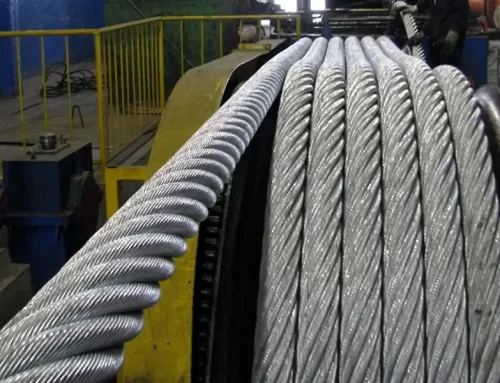
Did you know that a winch is strongest on the first layer of rope on the drum? As the rope winds up and layers increase, the effective diameter of the drum grows. This results in:
-
Lower Pulling Power: The torque decreases as the rope layers increase.
-
Higher Speed: The line speed increases as the drum gets “thicker.”
Pro Tip: Always check the winch pulling capacity on the top layer to ensure it can still handle your load when the drum is nearly full.
4. Additional Factors in Capacity Calculation
To get a precise measurement, don’t forget these industrial variables:
-
Friction Loss: If your wire rope passes through multiple snatch blocks or pulleys, you lose approximately 10% of your pulling power per pulley.
-
Surface Condition: Pulling through mud or sand requires significantly more force than pulling on a concrete factory floor.
-
Safety Factor: For industrial projects, we always recommend a 1.25x to 1.5x multiplier on your calculated load to handle dynamic shocks.
Winch Capacity Reference Table (Estimated)
| Load Type | Weight (Tons) | Surface Type | Required Winch Capacity |
| Rolling | 10 Tons | Level Steel Rail | 2-3 Tons |
| Rolling | 10 Tons | Level Grass/Dirt | 5-7 Tons |
| Incline (30°) | 10 Tons | Smooth Slope | 7-8 Tons |
| Vertical Lift | 10 Tons | Overhead | 12.5 Tons (Min.) |
Ready to Upgrade Your Pulling System?
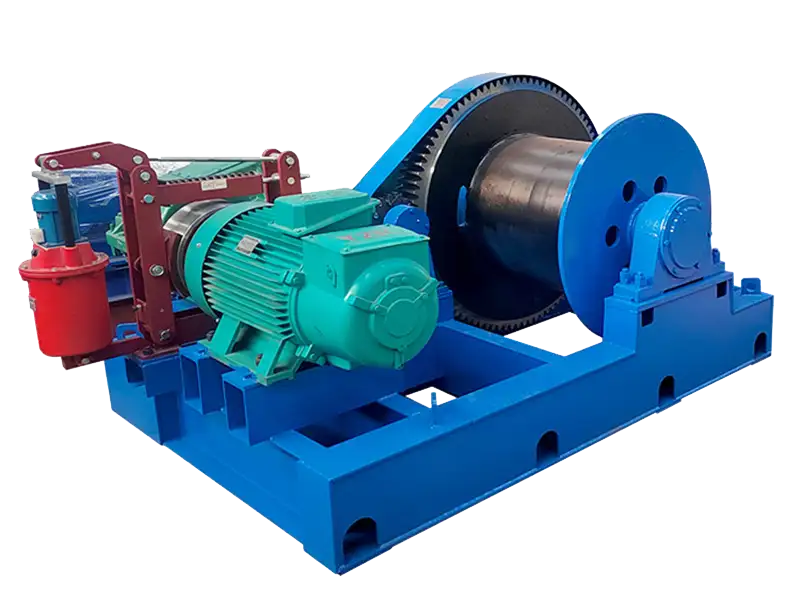
With GT Winch Group’s expertise and premium winches, you’ll enjoy unmatched reliability and safety. From installation guidance to after-sales support, we’re here to ensure smooth pulling.
Need a Winch Tailored to YOUR Industry?
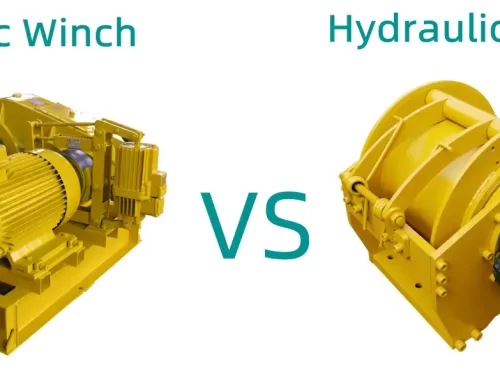
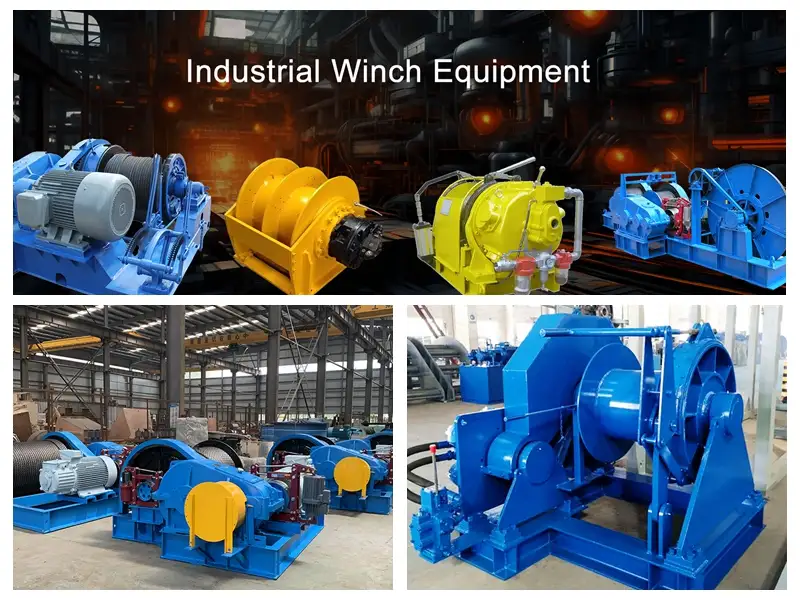
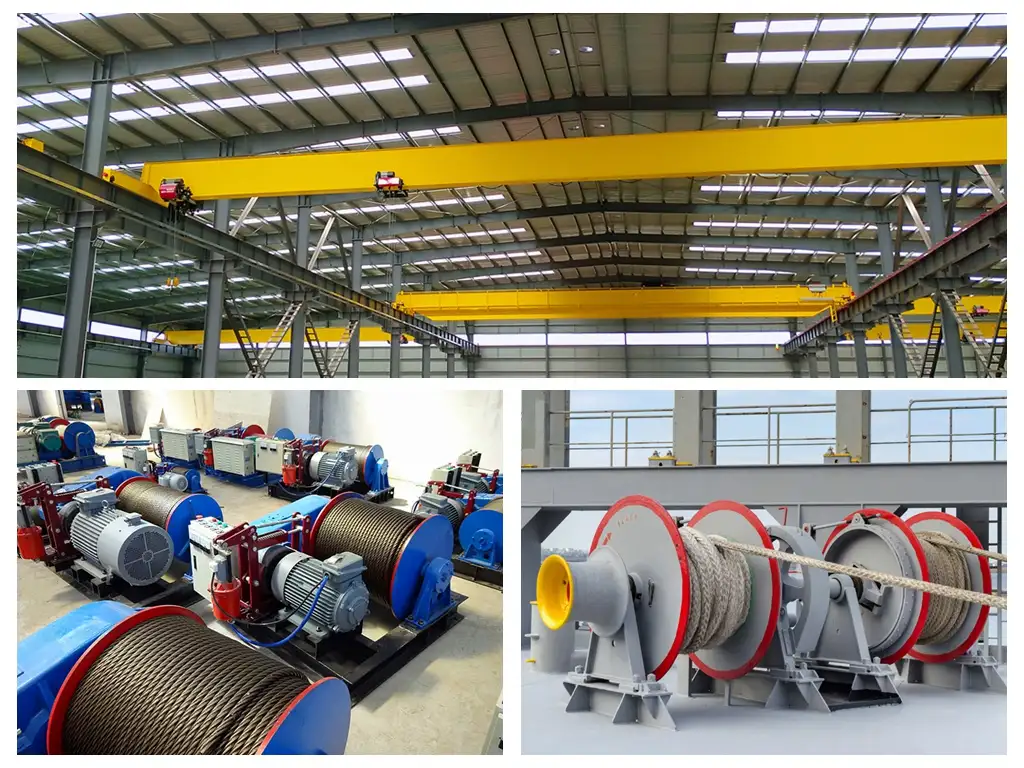
At GT Winch Group, we’ve built custom hydraulic and electric winches for:
- Ports lifting cargo containers
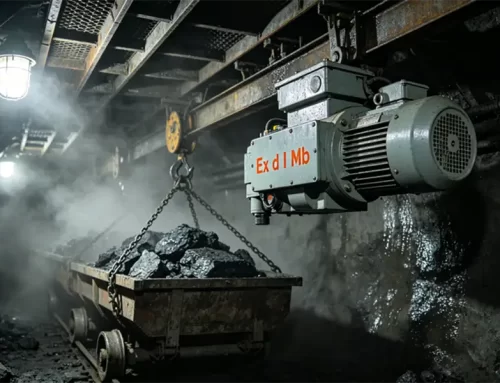
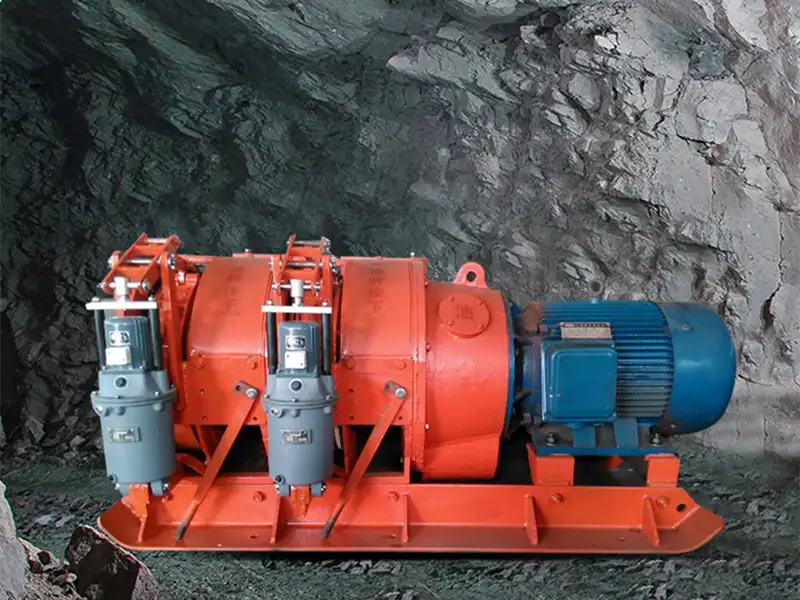
- Mines hauling ore carts
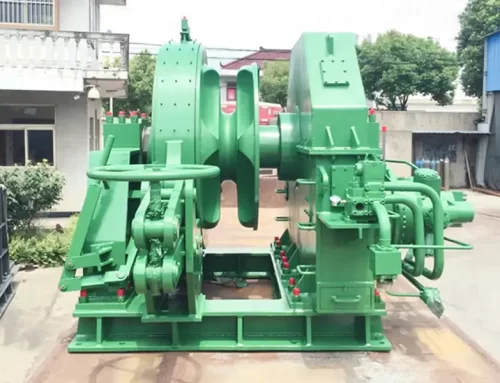
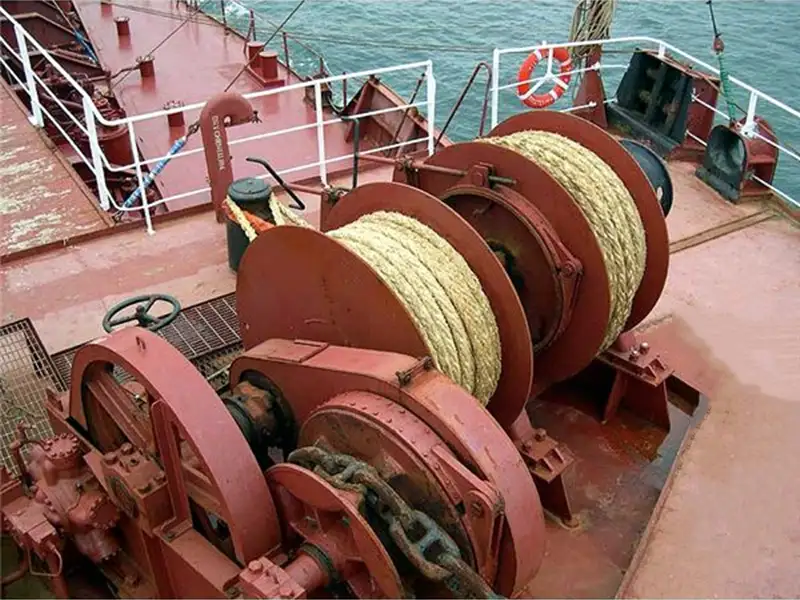
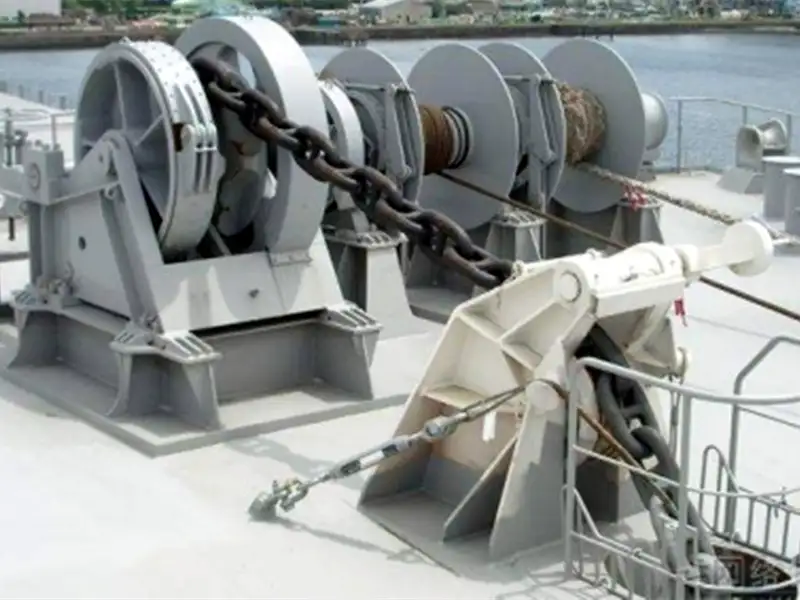
- Shipyards deploying anchors
Talk to Our Winch Experts!
📧 Email: info@gtwinch.com
📱 WhatsApp: +86 13353666378
🌐 Visit: www.gtwinch.com
As a professional Industrial & Marine Winch Supplier, GT Winch offers
- Customizable Solutions – Available in various load capacities, speeds, and configurations to meet specific industrial requirements.
- High-Quality Manufacturing – Built with strict quality standards to ensure durability, reliability, and long service life.
- Low Maintenance Requirements – Engineered for minimal maintenance, reducing downtime and operational costs.
- General winches,marine winches,construction winches.etc available.Welcome to send a free inquiry.
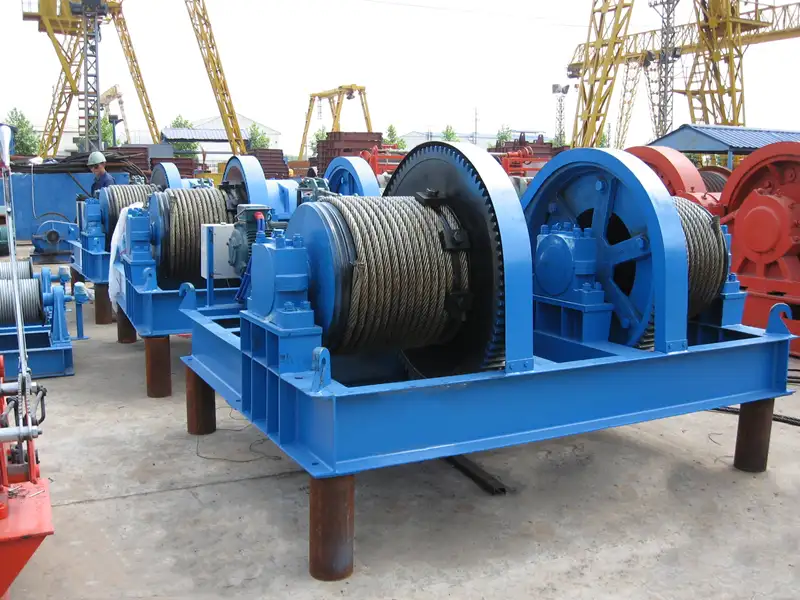
OEM Supported
Email: info@gtwinch.com
-
Type of Winch-General Winch, Marine Winch, Mine Winch, or Other Type
-
Load Capacity-What is the maximum load (in tons or kilograms) the winch needs to handle?
-
Rope / Cable Type-What type of rope or cable will be used? (e.g., steel, synthetic)
-
Power Source-What type of power is required? (e.g., electric, hydraulic, pneumatic, manual)
FAQ: Winch Pulling Capacity
Q1: Can I use a snatch block to increase my winch’s capacity?
Yes. Using a snatch block (pulley) to create a double-line pull effectively doubles your winch pulling capacity while halving the line speed.
Q2: Why does my winch struggle even though the load is below the rated capacity?
This is often due to voltage drop (in electric winches) or because you are pulling on the 4th or 5th layer of the rope where the winch has the least mechanical advantage.
Q3: Is the “Rated Line Pull” the same as the “Breaking Strength”?
No. The Rated Line Pull is what the machine can safely move. Breaking Strength refers to the point at which the wire rope or winch structure will physically fail.
Q4: How do I calculate capacity for a boat trailer winch?
For marine environments, you must account for the “added mass” of water in the hull and the suction force of the boat sitting on a wet trailer or sand.
Q5: Does GT Winch provide load testing certificates?
Absolutely. All our winches undergo 1.25x static load tests and 1.1x dynamic load tests. We provide full certification to prove the winch pulling capacity before shipment.