
The Complete Hoist and Winch Safety Inspection Guide
In heavy lifting operations, mechanical failure is rarely random. Most catastrophic breakdowns give warnings weeks before they occur. A structured hoist and winch safety inspection program is your primary line of defense against unexpected downtime, expensive equipment repairs, and serious workplace accidents.
At GT Winch, safety isn’t an afterthought—it’s built into our design philosophy. Whether you run a high-volume manufacturing floor or a remote mining site, use this practical guide to establish a daily and periodic inspection routine.
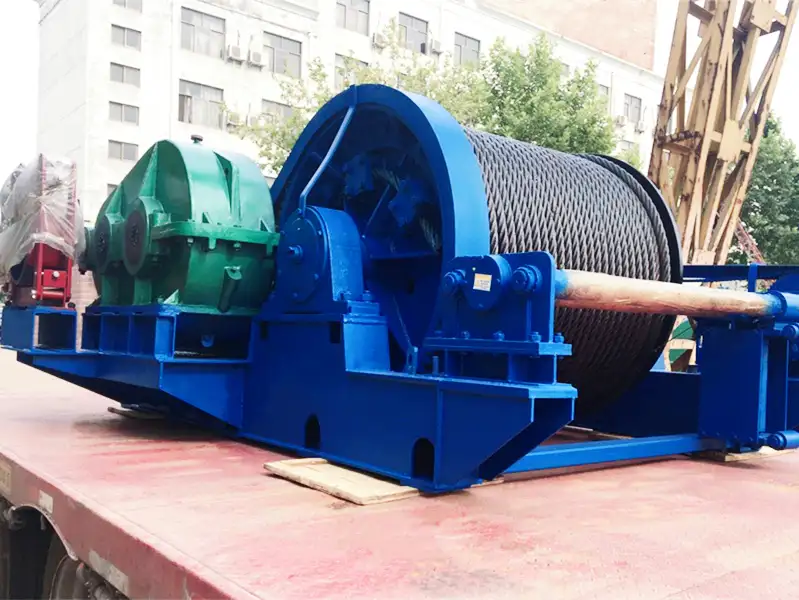
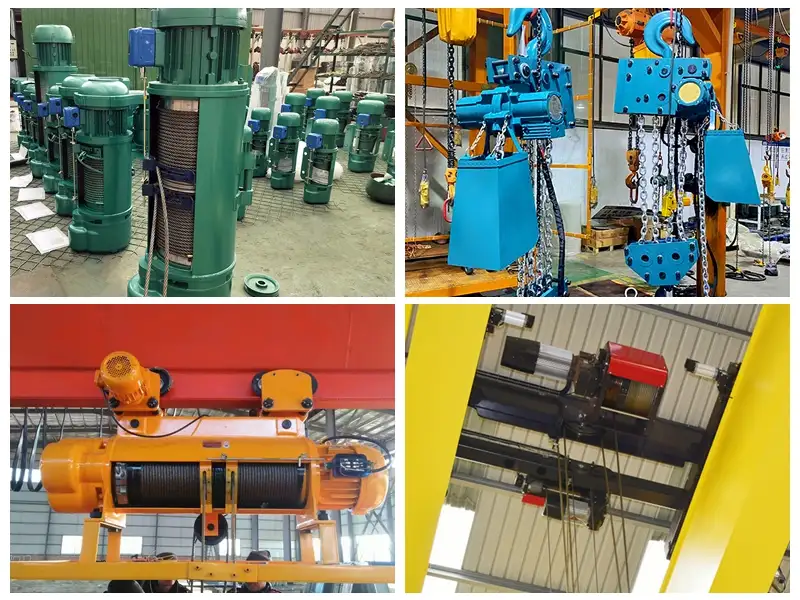
1. Daily Pre-Shift Inspection (Operator Checklist)
Before flipping the main power switch at the start of a shift, operators should perform a quick 3-minute visual and functional check.
Visual Checks (Power Off)
-
Wire Rope / Chain Integrity: Look for visible bird-nesting, severe kinks, broken outer strands, or severe corrosion.
-
Hook & Safety Latch: Inspect the hook throat opening. If the throat has stretched beyond 10% of its original size or shows twist, remove it from service immediately. Ensure the safety latch snaps flush against the tip.
-
Oil Leaks: Check the floor beneath the gearbox for pooling gear oil.
-
Control Pendant: Check the push-button station and cable casing for tears, exposed wires, or cracked housing.
Functional Checks (Power On – No Load)
-
Emergency Stop: Press the E-stop button to verify that control power cuts off instantly.
-
Limit Switch Test: Slowly raise the hook block to engage the upper limit switch. The motor must cut out before the block contacts the frame.
-
Brake Response: Raise a light load a few inches off the ground and release the button. Check for coasting or slippage.
2. Periodic Maintenance Checklist (Monthly to Quarterly)
A deeper technical audit performed by trained maintenance personnel ensures internal components aren’t wearing down silently.
| Component | What to Inspect | Pass / Fail Criteria |
| Brake Discs | Measure pad thickness and air gap | Replace if friction material is worn below 2mm or air gap exceeds spec |
| Rope Guide | Inspect inner threads for wear or cracks | Must smoothly traverse the drum without jumping threads |
| Gearbox | Check oil level and look for metal shavings | Change oil annually or after 1,000 hours of heavy duty |
| Trolley Wheels | Check wheel flanges and beam wear | Ensure proper clearance on the I-beam flange to prevent slipping |
| Fasteners | Re-torque frame, motor, and anchor bolts | Must meet manufacturer torque settings (Grade 8.8 minimum) |

3. Common Inspection Red Flags & What They Mean
Twisted or Bird-Nested Cable
-
Cause: Pulling loads at extreme side angles or operating with a damaged rope guide.
-
Action: Never attempt to straighten a damaged wire rope. Unwind it, inspect the drum grooves, and spool a new rope under tension.
Motor Overheating or Excessive Humming
-
Cause: Voltage drop in the supply line, single-phasing, or exceeding the rated duty cycle ($M3/M4/M5$).
-
Action: Measure incoming voltage at the terminals while under load. Ensure the motor cooling fins are clean and free of packed dirt.
4. Record Keeping and Regulatory Compliance
A hoist and winch safety inspection isn’t complete until it is logged. Regulatory bodies (such as OSHA or local industrial safety boards) require documented proof of periodic inspections.
-
Tag-Out Protocol: If a unit fails any point on the checklist, attach a physical “OUT OF SERVICE” tag to the main breaker and pendant control immediately.
-
Logbook: Keep a dedicated maintenance log near the crane or winch station detailing date, findings, parts replaced, and technician signature.
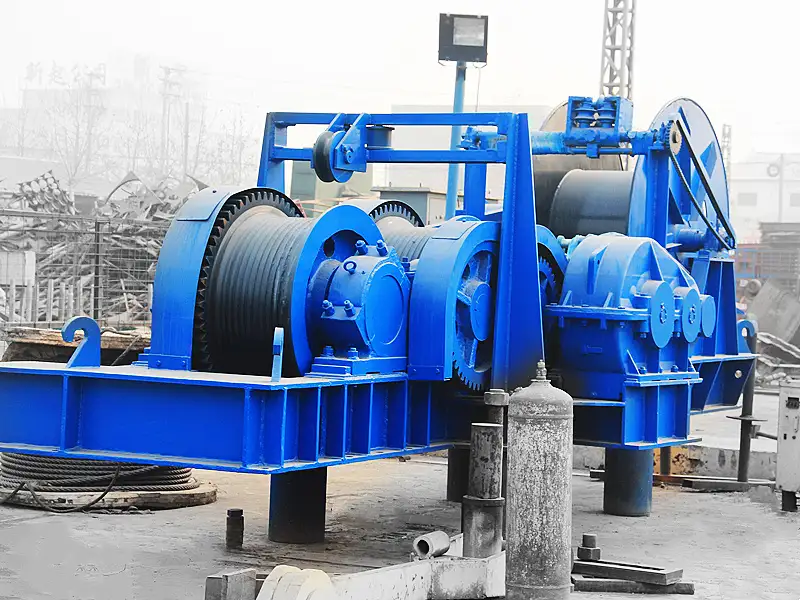
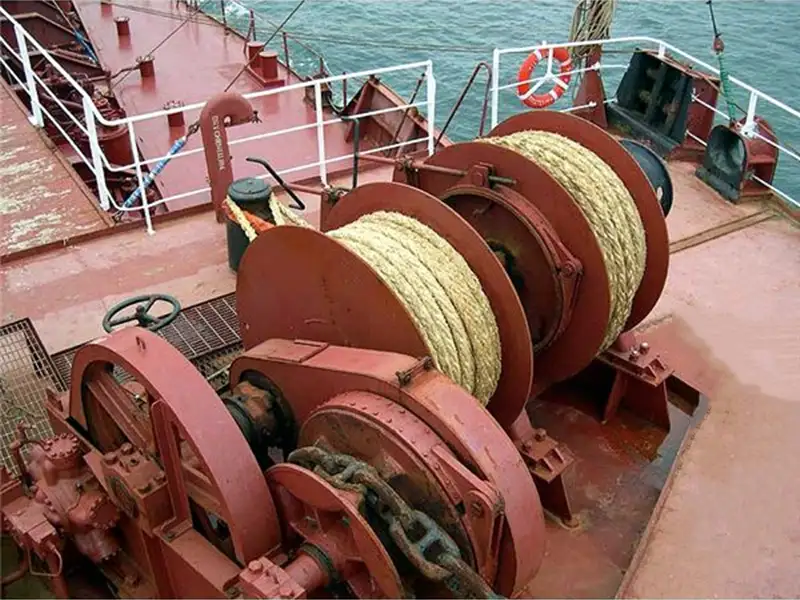
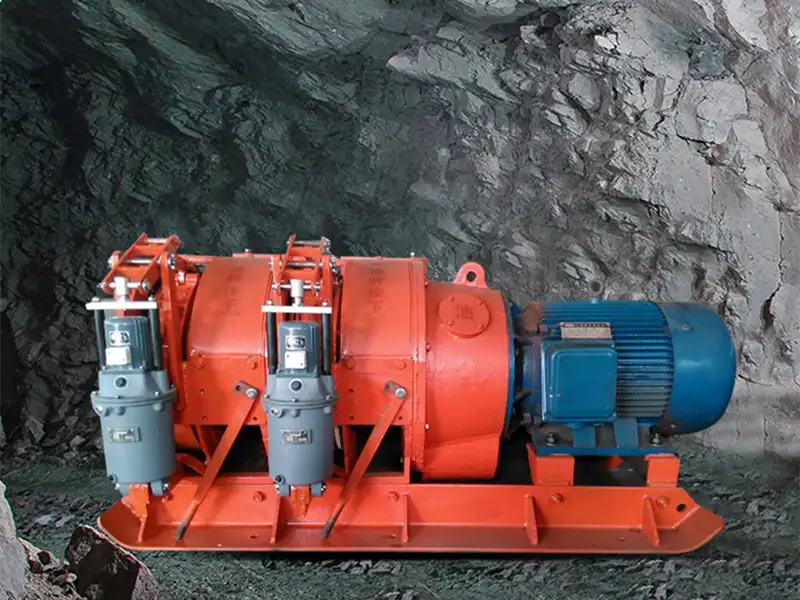
Ready to Upgrade Your Pulling System?
With GT Winch Group’s expertise and premium winches, you’ll enjoy unmatched reliability and safety. From installation guidance to after-sales support, we’re here to ensure smooth pulling.
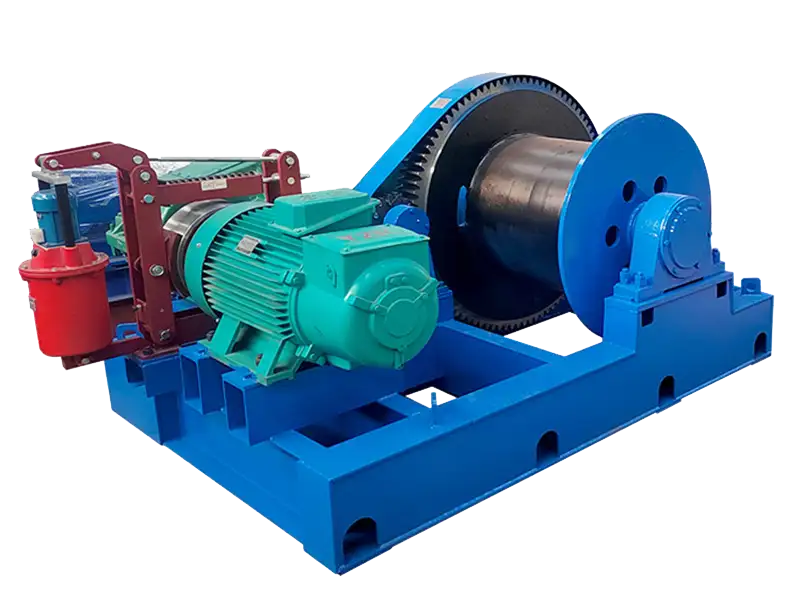
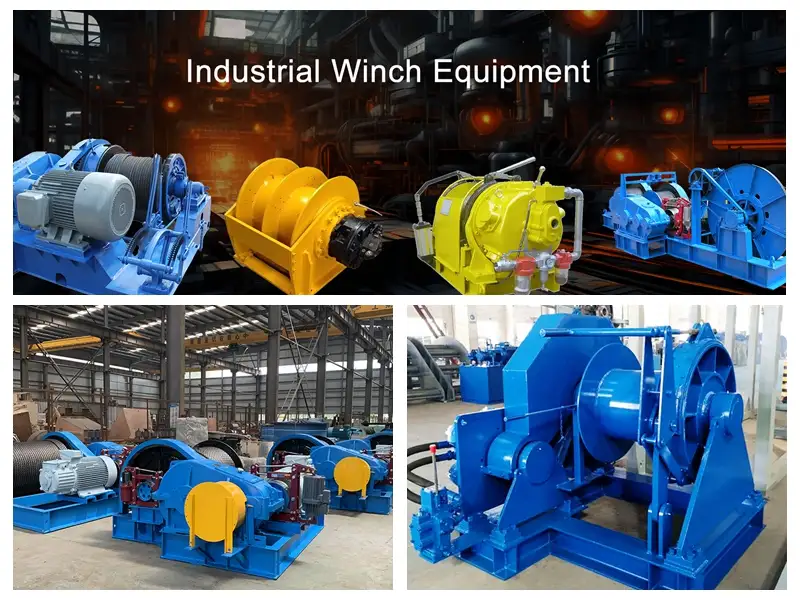
Need a Winch Tailored to YOUR Industry?
At GT Winch Group, we’ve built custom hydraulic and electric winches for:
- Ports lifting cargo containers
- Mines hauling ore carts
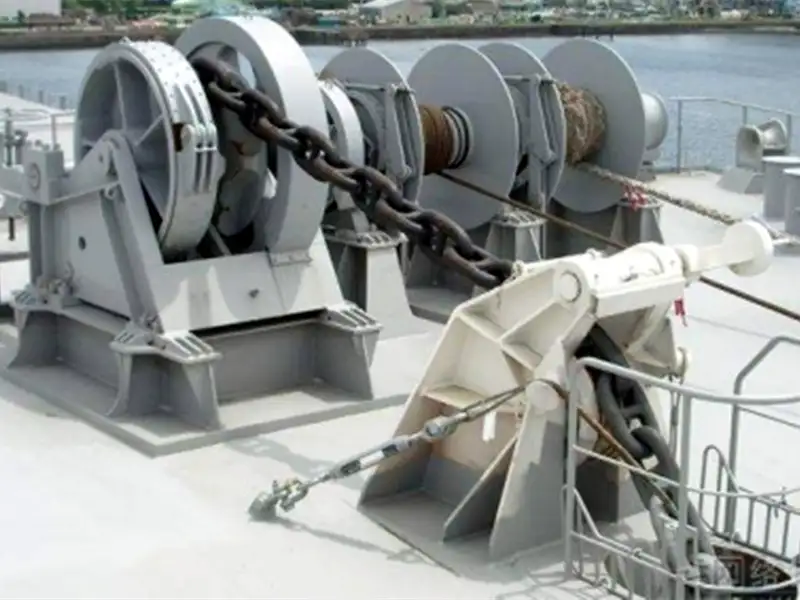
- Shipyards deploying anchors
Talk to Our Winch Experts!
📧 Email: info@gtwinch.com
📱 WhatsApp: +86 13353666378
🌐 Visit: www.gtwinch.com
As a professional Industrial & Marine Winch Supplier, GT Winch offers
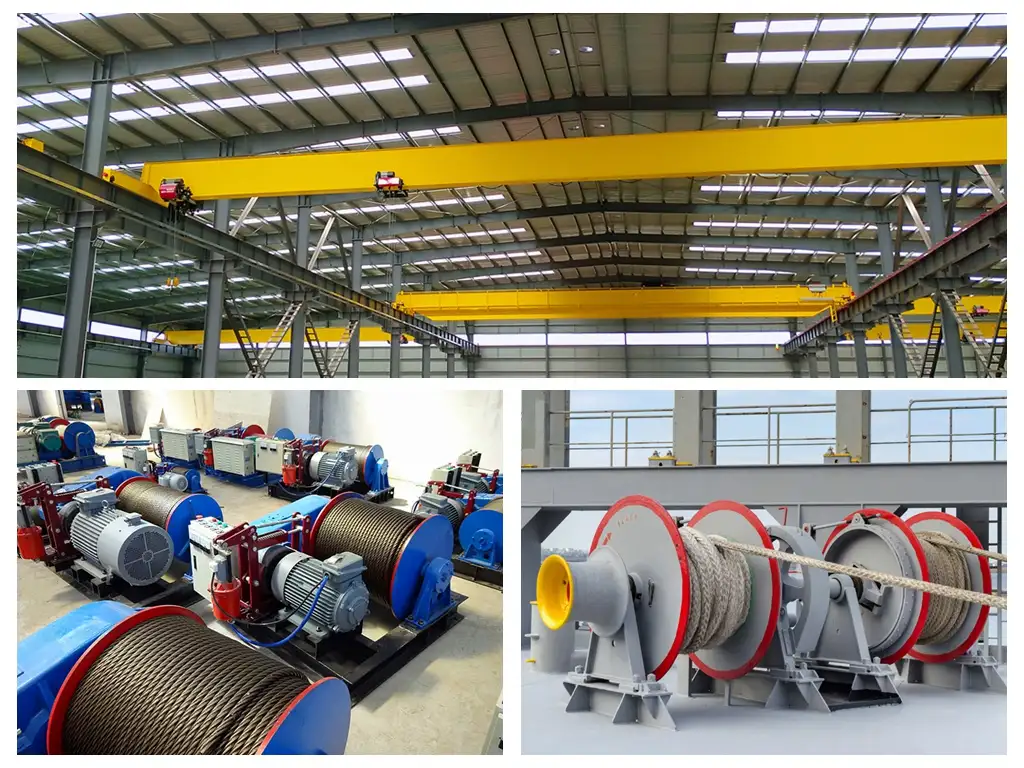
- Customizable Solutions – Available in various load capacities, speeds, and configurations to meet specific industrial requirements.
- High-Quality Manufacturing – Built with strict quality standards to ensure durability, reliability, and long service life.
- Low Maintenance Requirements – Engineered for minimal maintenance, reducing downtime and operational costs.
- General winches,marine winches,construction winches.etc available.Welcome to send a free inquiry.
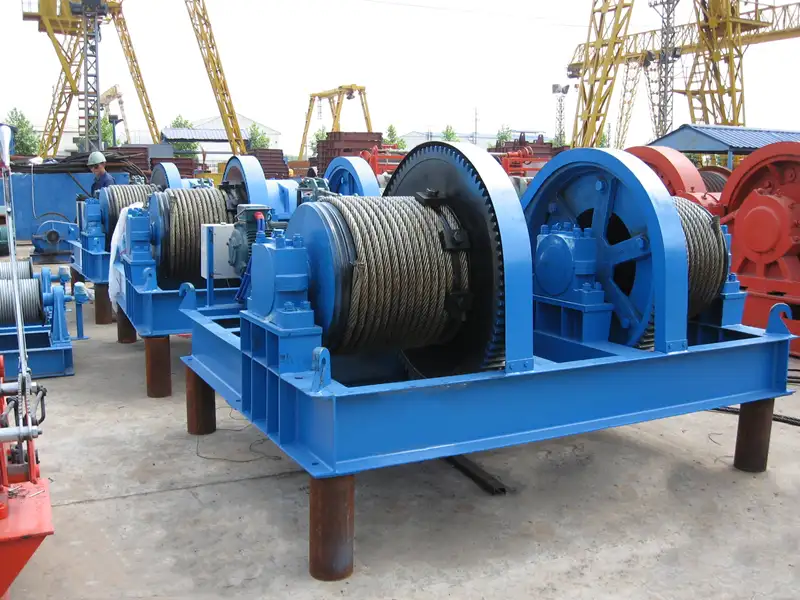
OEM Supported
Email: info@gtwinch.com
-
Type of Winch-General Winch, Marine Winch, Mine Winch, or Other Type
-
Load Capacity-What is the maximum load (in tons or kilograms) the winch needs to handle?
-
Rope / Cable Type-What type of rope or cable will be used? (e.g., steel, synthetic)
-
Power Source-What type of power is required? (e.g., electric, hydraulic, pneumatic, manual)
FAQ: Safety Inspections & Compliance
Q1: How often should an industrial hoist undergo a thorough teardown inspection? A full tear-down inspection by a qualified technician should be conducted annually for standard industrial use, or every 6 months for severe duty environments (e.g., foundries, corrosive chemical plants).
Q2: Who is qualified to perform periodic hoist inspections? While operators can perform daily pre-shift checks, periodic and annual inspections must be performed by a “competent person” trained in mechanical and electrical crane mechanics.
Q3: Is a load test required after every minor repair? A load test (typically 125% of rated capacity) is required after any major structural repair, load-bearing component replacement (such as hooks, wire rope, or gearboxes), or major relocation.
Q4: What should I do if the wire rope jumps off the drum grooves? Stop operation immediately. Inspect the rope guide for breakage and check if the wire rope was operated slack. Continuing to pull with a misplaced rope will ruin both the drum and the cable.
Q5: Does GT Winch provide replacement parts for safety compliance? Yes, we supply original OEM spare parts—including brake kits, rope guides, forged hooks, and replacement wire ropes—that match your exact model serial number.